The living map of Ecuadorian shamanism
Eight traditions. One country. Thousands of years of healing knowledge.
Shamanism in Ecuador is not one thing. It is a family of traditions, each with its own people, its own plants and its own way of keeping the lineage alive. Here they are, told with respect.
What a healer is here
Across Ecuador, the healer goes by many names: taita among the Cofán, yachak among the Kichwa, uwishín among the Shuar, curaca among the Siona-Secoya. The names differ. The core does not.
A short history of shamanism in Ecuador
The healing traditions of Ecuador are older than every border drawn across them. What follows is the honest version, including the parts that are painful and the parts that are deliberately kept quiet.
Before the conquest
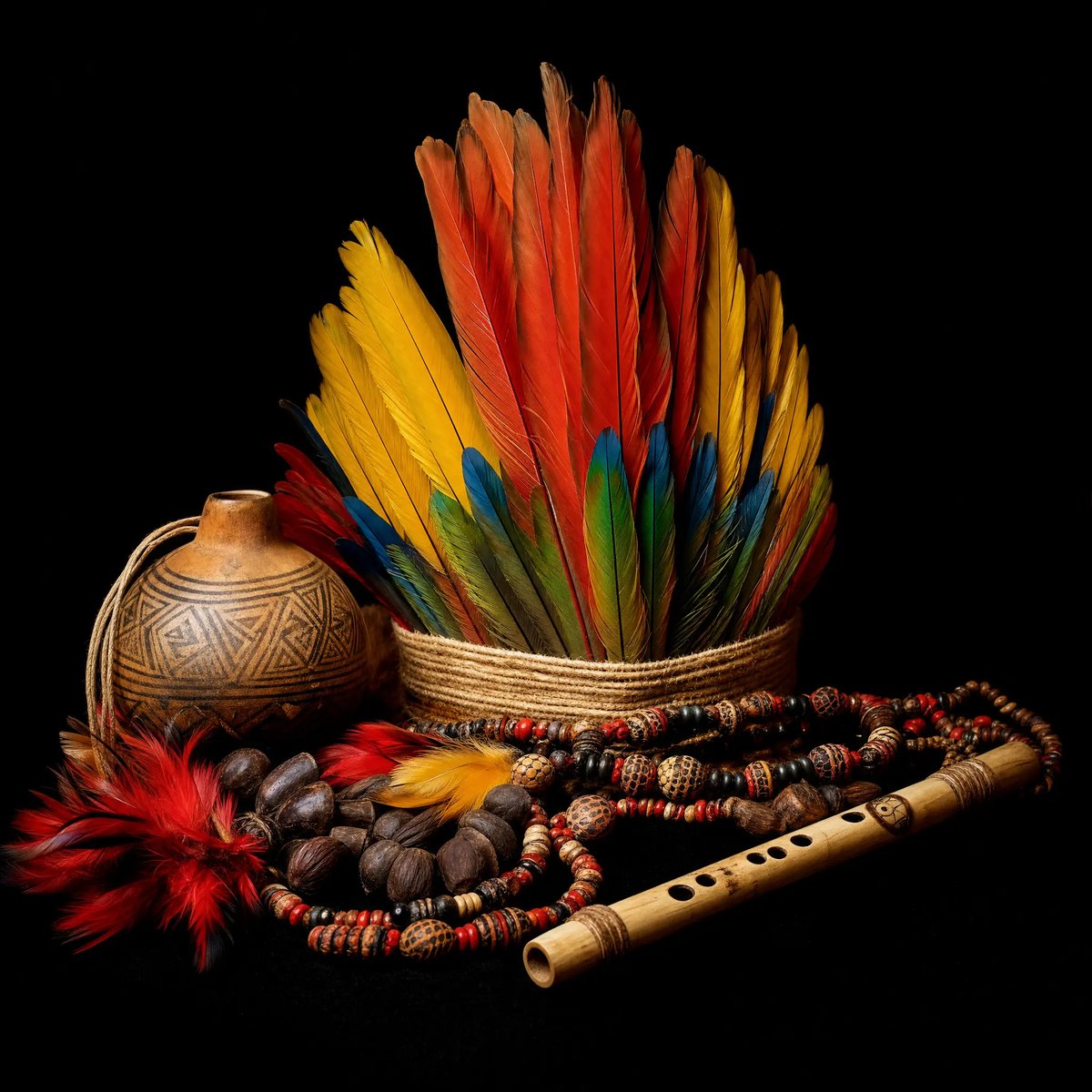
For millennia before Europeans arrived, every community on this land had its healers. The Valdivia, the oldest known ceramic culture of the Americas, lived on Ecuador's coast more than five thousand years ago — and from then on, healing was woven into daily life: birth, illness, planting, conflict, grief. There was no line between medicine, spirit and land, because the people who practiced saw no line.
The colonial centuries
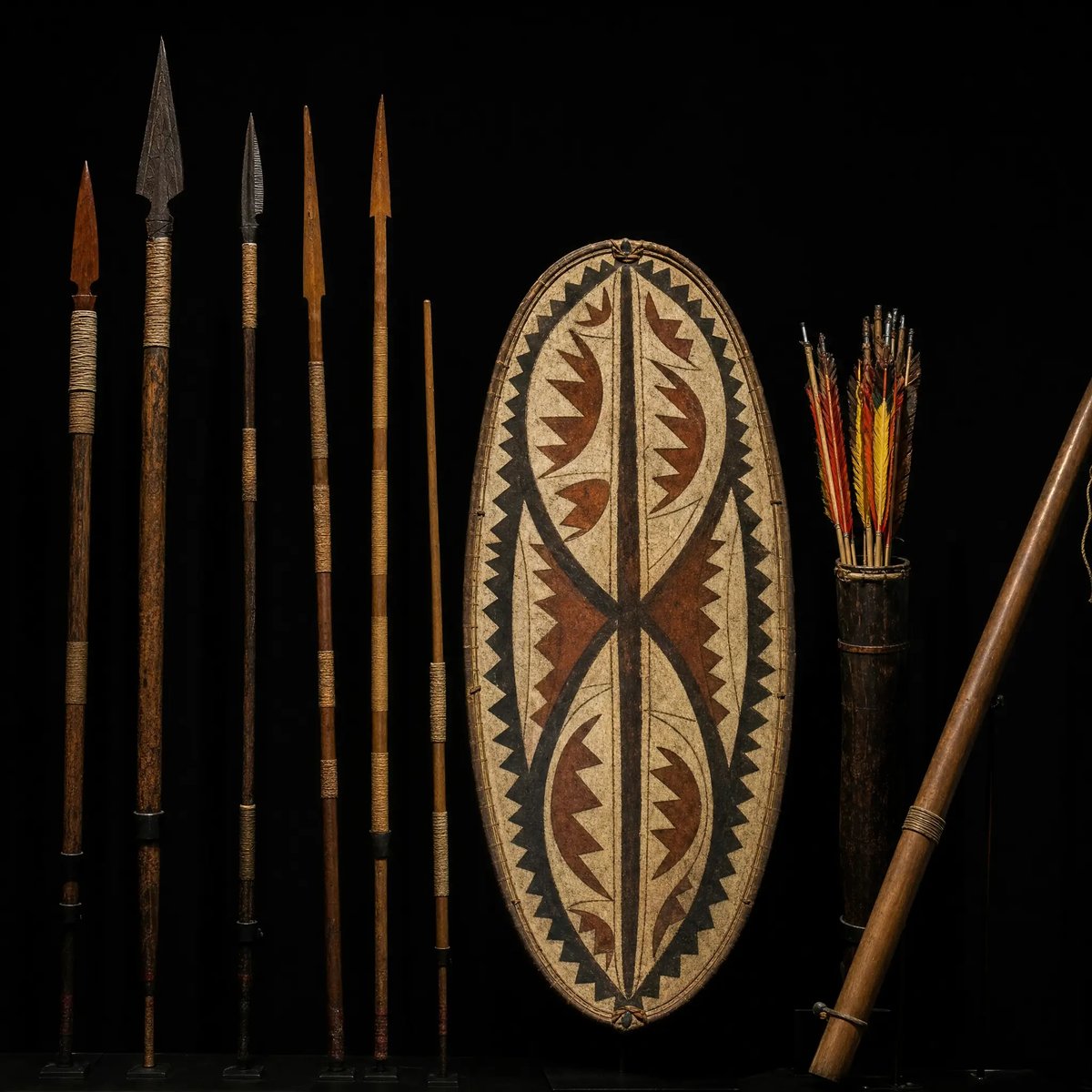
From the 1500s, the Spanish crown tried to stamp the practices out, branding healers as servants of the devil. It failed. The ceremonies moved at night, into the forest, into the high páramo. Knowledge that could not be practiced openly was practiced secretly — and this is one reason some lineages remain hidden to this day: hiding is how they survived.
The rubber years
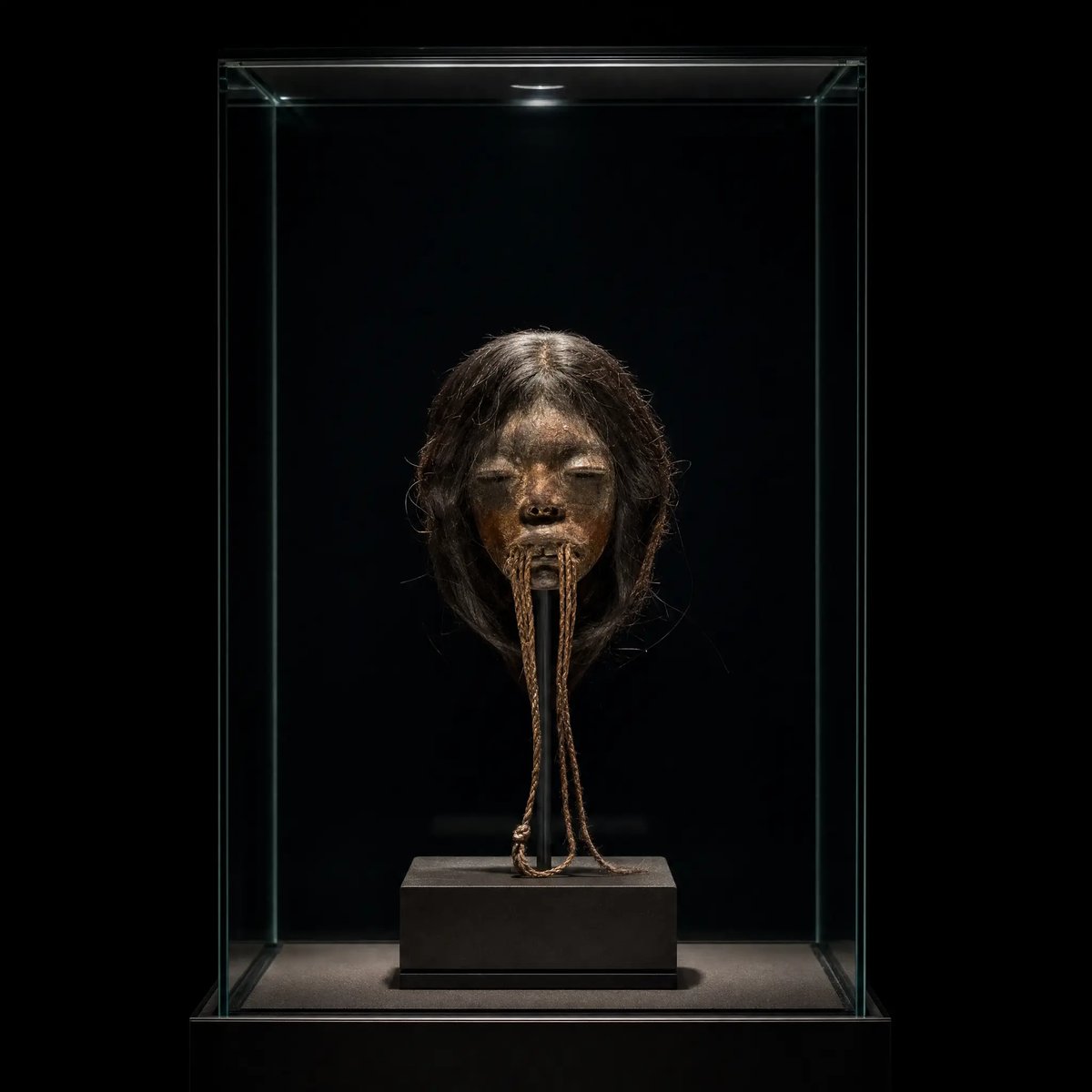
Between 1900 and 1913 the rubber boom tore through the western Amazon. On the Putumayo river, tens of thousands of indigenous people died under forced labor. The peoples who survived — the Cofán and Siona among them — carried their ceremonies through the catastrophe. The medicine did not break. The people who held it refused to let it.
Today: recognized, not replaced
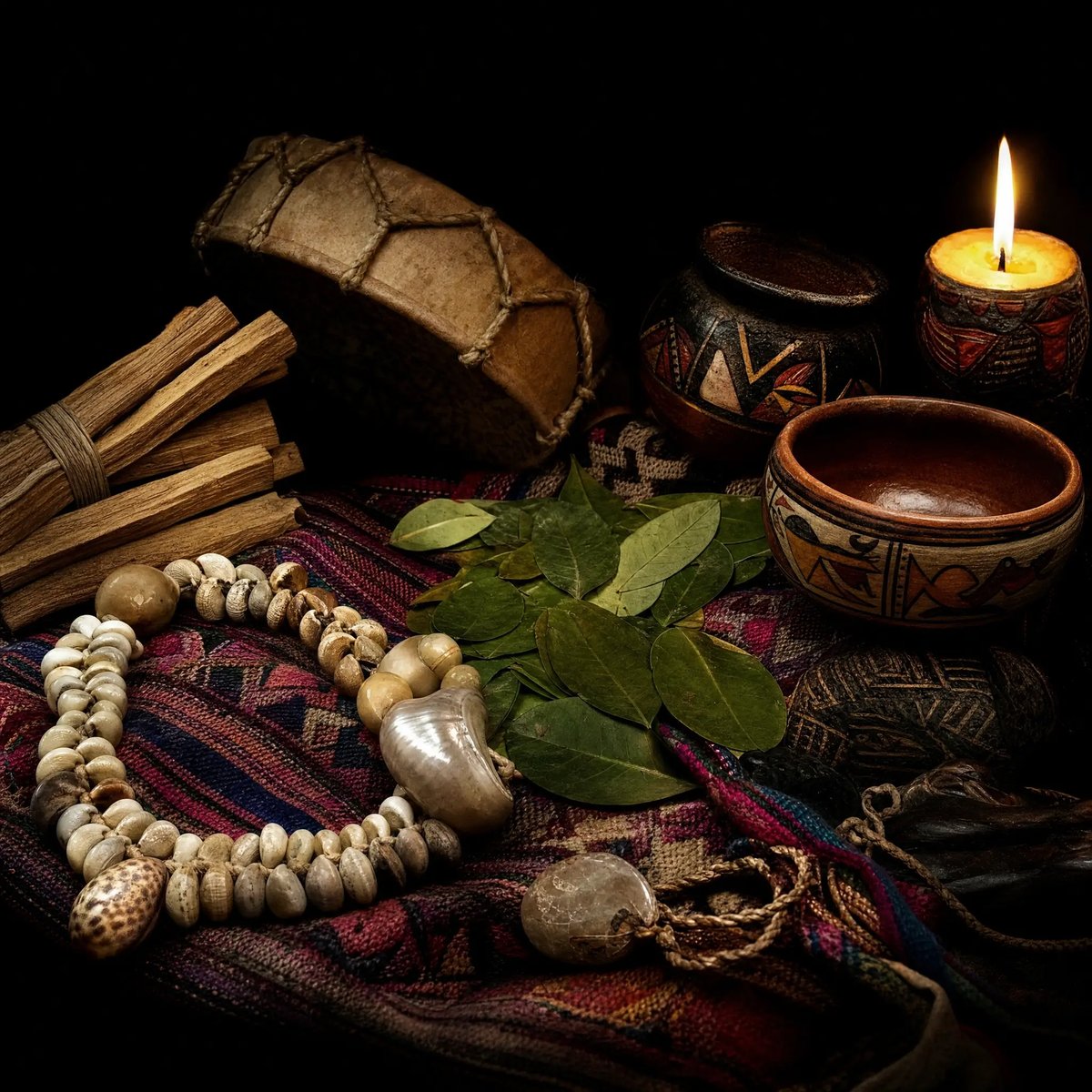
In 2021 Ecuador adopted the Código de Ética de la Medicina Ancestral-Tradicional, recognizing ancestral medicine as part of the country's health heritage. Healers today work alongside doctors and hospitals — different knowledge, same patient. The old way was never replaced. It was waiting to be recognized.
How a shaman keeps their lineage
There is no school for this. There is a teacher, a forest, a fast, and years. The lineage is kept in four ways:
The dietas
The apprentice goes into the forest or the mountains with one plant and stays with it for weeks or months — eating almost nothing, drinking the plant, sleeping on the ground. The plant, in this tradition, is not a substance. It is a teacher that shows the apprentice its own way of healing.
The dreams
Much of the training happens asleep. Healers learn their songs, their diagnoses and their remedies in dreams, and a teacher spends years helping the apprentice read them. When an elder says 'the plant taught me in a dream', it is not a metaphor. It is the method.
The family line
Many lineages pass from parent to child, grandparent to grandchild. A child shows signs — remembers dreams early, is calm around fire, asks the right questions — and is raised into the work. Some families have held the same ceremony for ten generations or more.
The hidden part
Part of every real lineage is not written anywhere and is not spoken to outsiders. It is kept for the initiated. This secrecy is sometimes mistaken for marketing. It is the opposite: it is protection — of the ceremony, of the plants, and of the people who carry them.
Where each tradition lives
Ecuador packs four worlds into one small country. Each one raised its own way of healing:
The Andes
The páramo and the volcano valleys raised the yachaks and mamas of the Sierra Kichwa — Otavalo, Imbabura, Saraguro — with San Pedro, coca leaf and the cleansing power of fire and wind.
The Amazon
The rainforest of the east raised the Cofán, Shuar, Siona-Secoya and Amazonian Kichwa — peoples of the river, the yagé and natem vines, the long canoe journeys and the great night ceremonies.
The Coast
Esmeraldas and its mangroves raised the Chachi and the coastal curanderos — healers of salt, drum and the dense green pharmacy of the Pacific lowlands.
The Cloud Forest
The mist forests of Santo Domingo raised the Tsáchila, whose red-painted hair marks them from far away — guardians of plants that exist nowhere else on Earth.
The eight traditions
Each card opens a door. The Cofán page is a full journey; the others are growing here month by month as we add their stories, healers and photos.
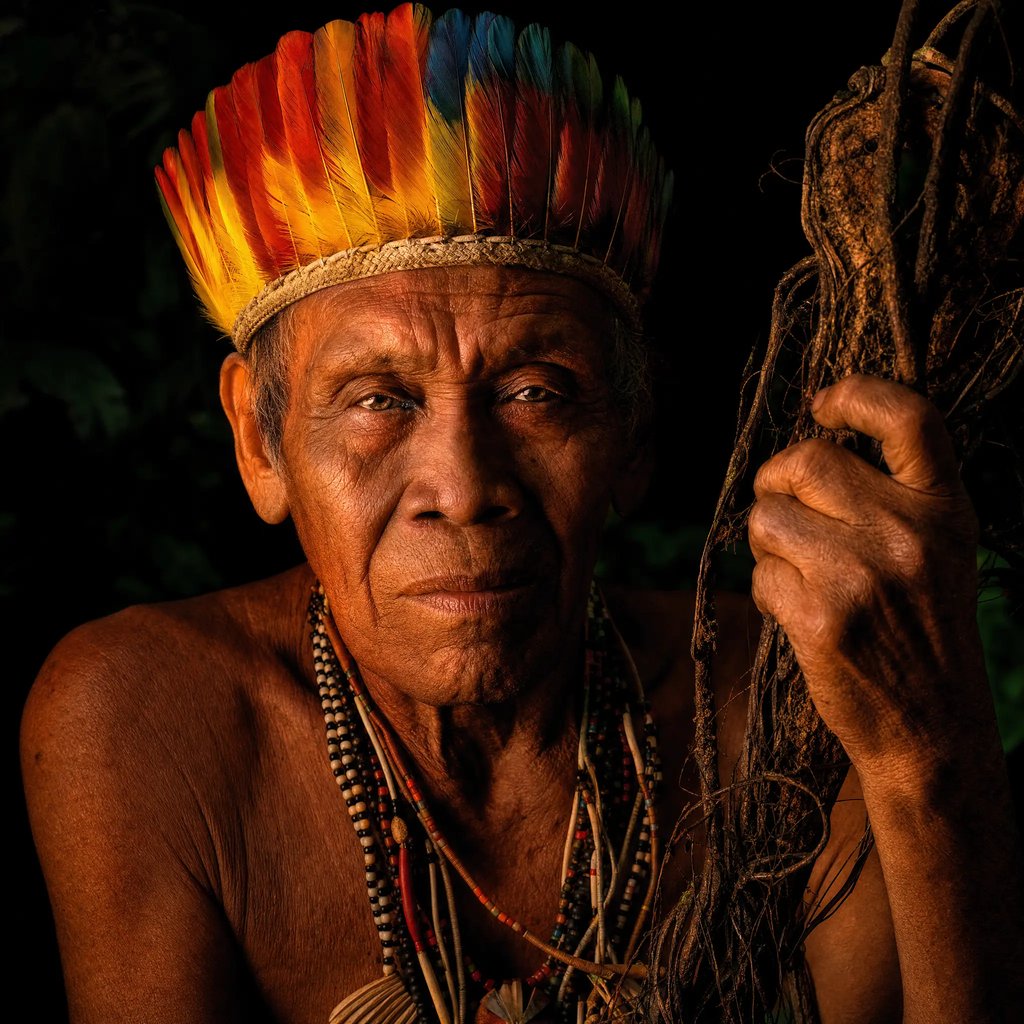
Cofán (A'i)
A'i — 'the true people'
Putumayo river · Sucumbíos, Ecuador & Putumayo, Colombia
Guardians of the Putumayo headwaters, keepers of the yagé ceremony, and the people whose river defeated a mining empire in court. A full page is dedicated to them.
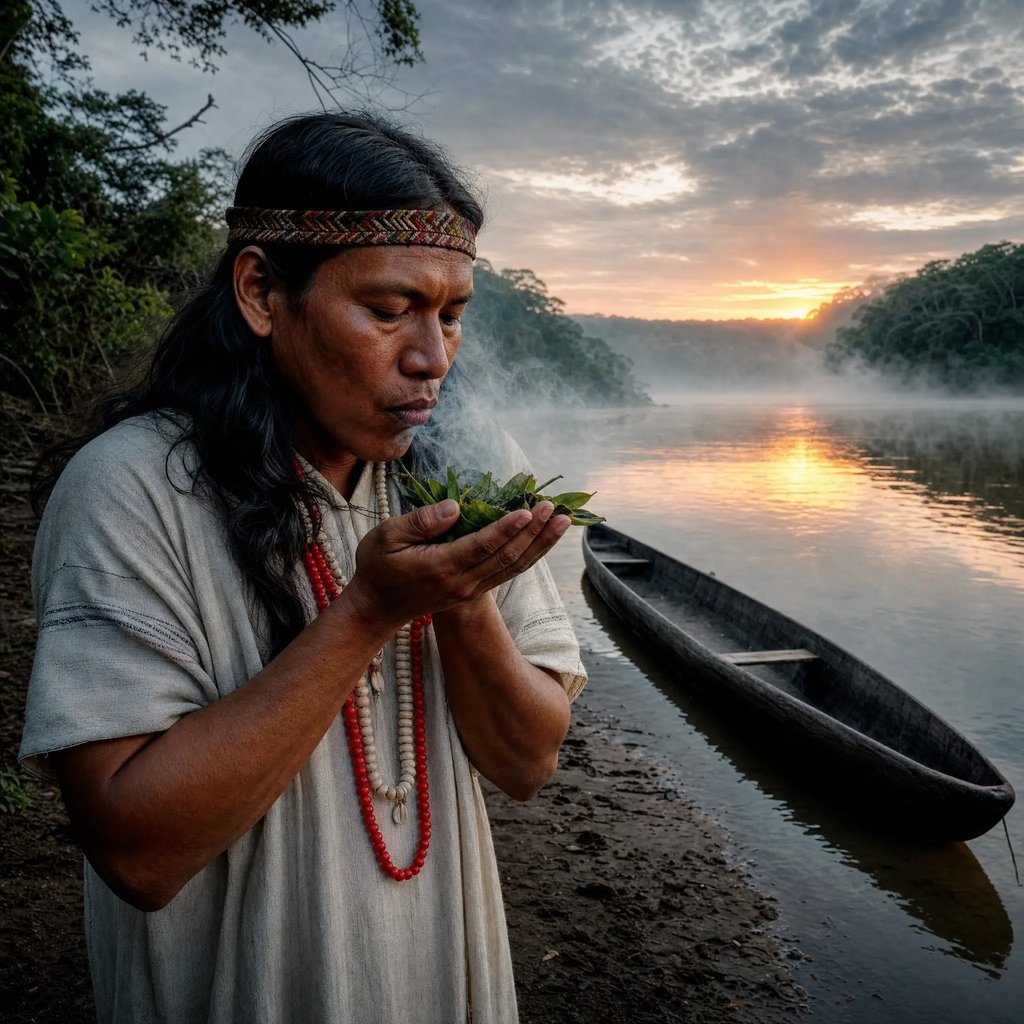
Kichwa of the Amazon
Napo & Pastaza Kichwa
Napo, Pastaza & Orellana · Ecuador
The largest indigenous nationality of the Ecuadorian Amazon. Their yachaks cleanse with mapacho smoke and wild forest plants, and their shamans sing the long songs of the river.
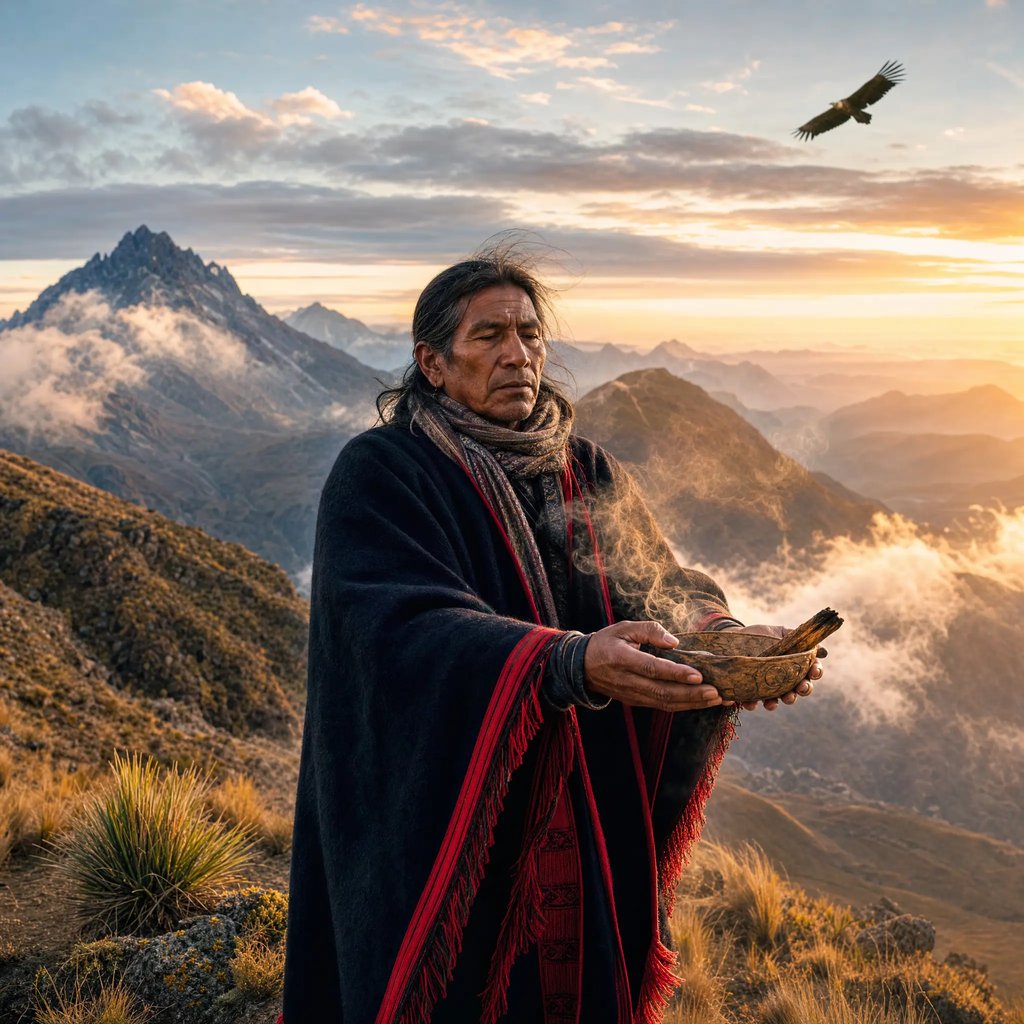
Kichwa of the Andes
Otavalo, Imbabura & Cotopaxi Kichwa
Northern & central highlands · Ecuador
In the highlands the yachak works with San Pedro, coca and the cleansing of fright and envy. The famous Otavalo market towns hold healers whose families have practiced for centuries.
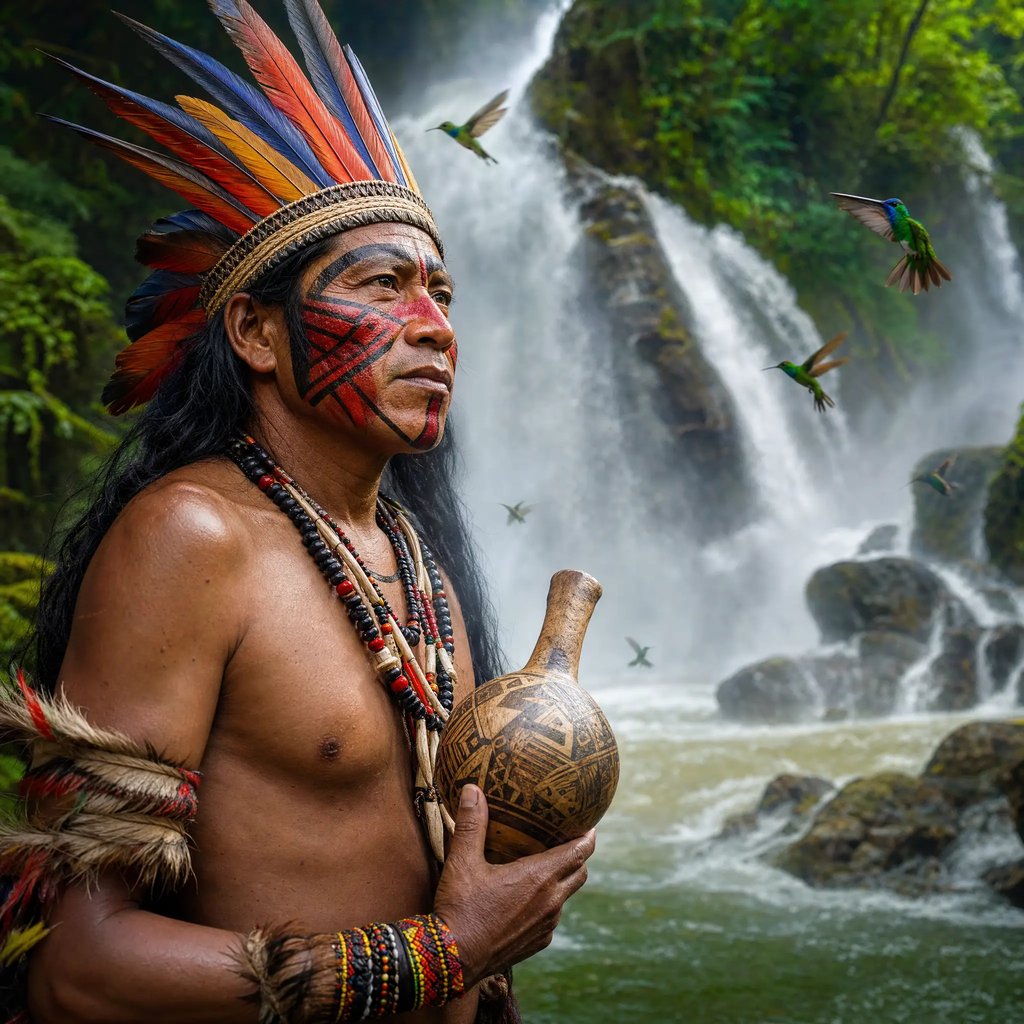
Shuar
Shuar — 'the people'
Morona Santiago & Zamora Chinchipe · Ecuador
Warriors, gardeners of the forest and one of the most studied shamanic cultures on Earth. Their healers seek visions at sacred waterfalls and hold the natem ceremony of the upper Amazon.
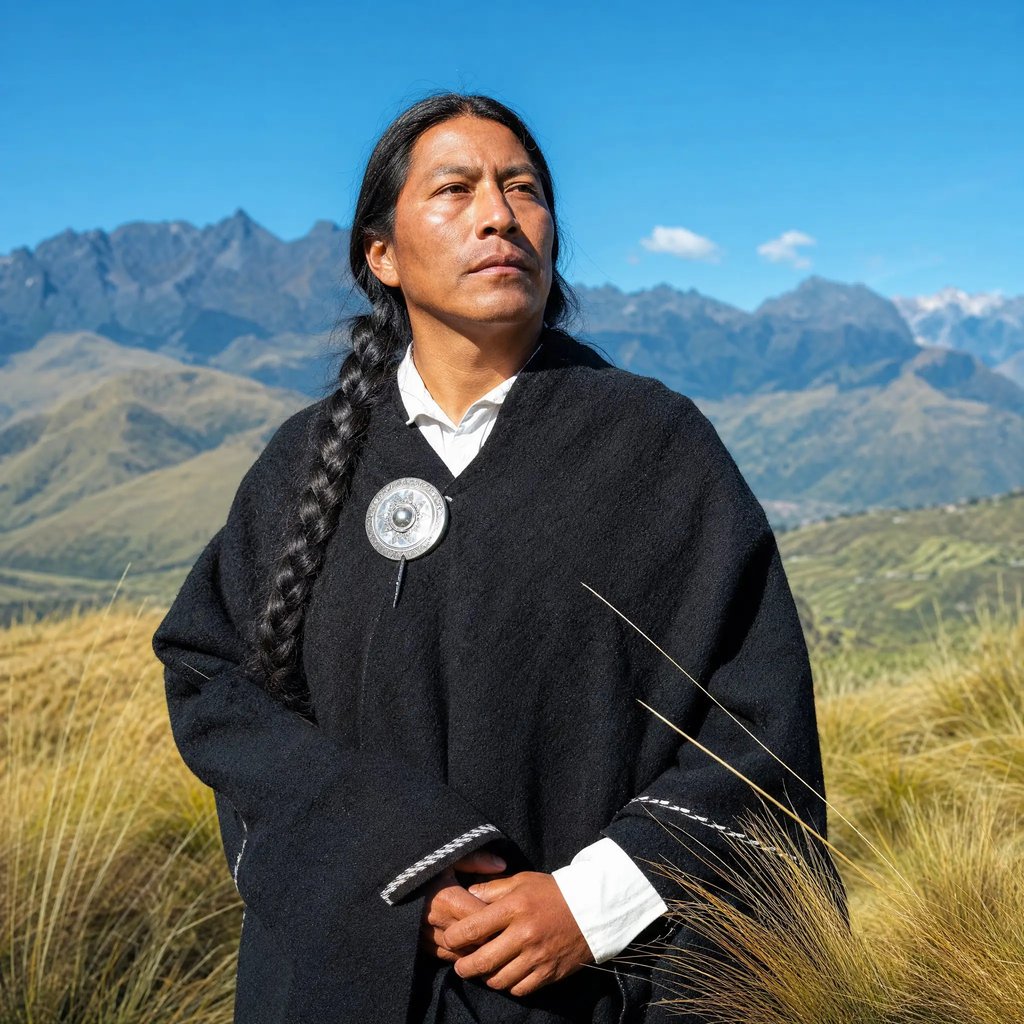
Saraguro
Saraguro Kichwa
Loja · southern Ecuador
The Saraguro keep a dress code unchanged for centuries and a reputation as healers that reaches far beyond Ecuador. Their curanderos cleanse with plants, eggs and the mountain's own cold.
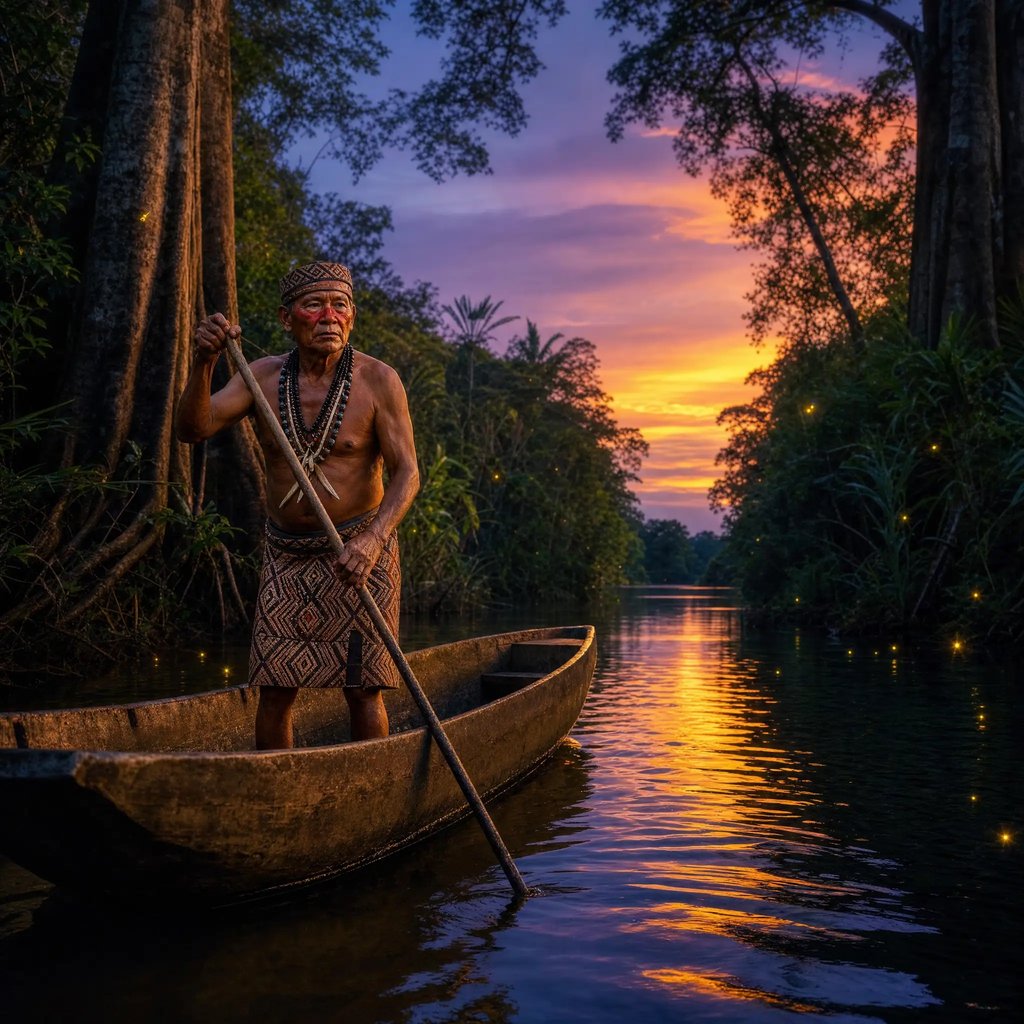
Siona–Secoya
Siona & Secoya peoples
Northeast Amazon · Ecuador
Two brother peoples of the Cuyabeno region who share the yagé ceremony and a way of life built around the river. Their curacas sing the vine's songs in languages spoken by only a few hundred people.
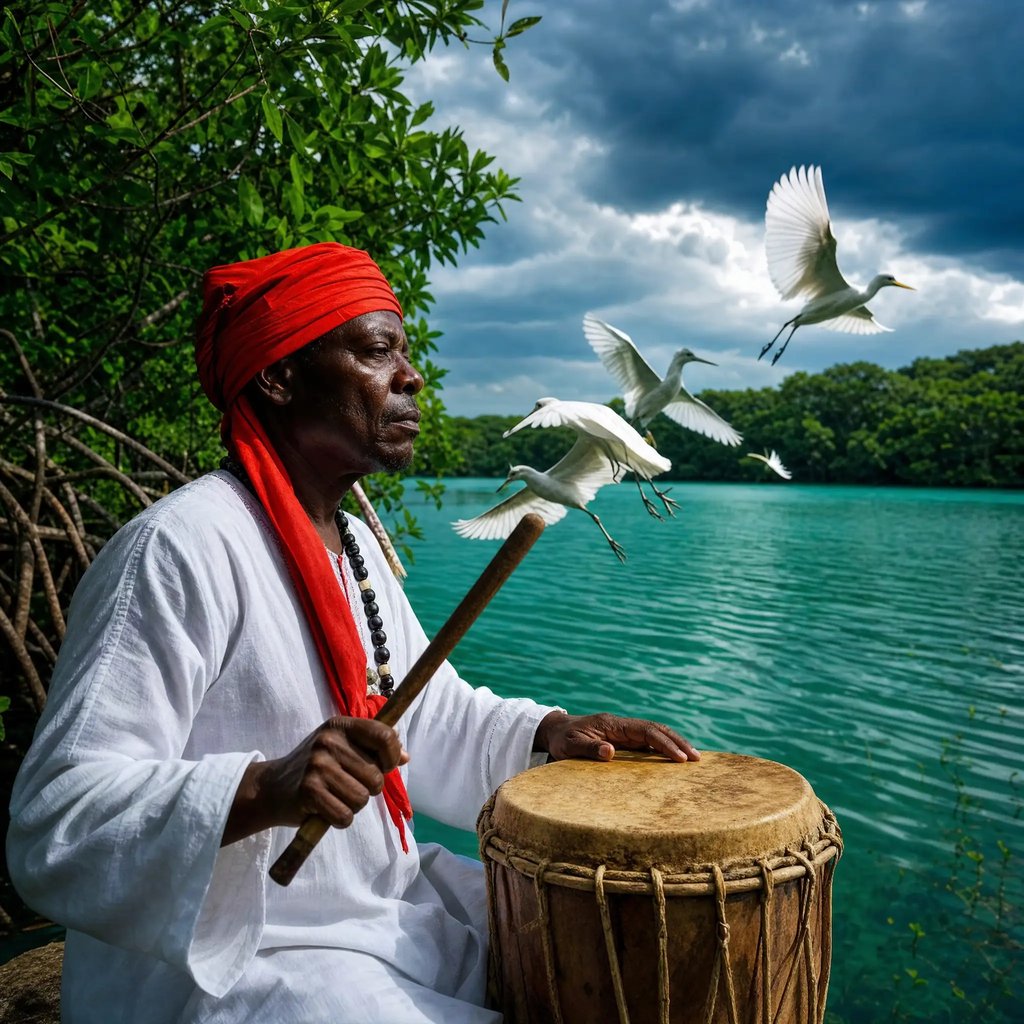
Chachi (Cayapas)
Chachi people
Esmeraldas coast · Ecuador
The Chachi of the Cayapas river know the coastal forest the way the Amazon peoples know the jungle. Their healers work with drum, song and a dense catalog of lowland plants.
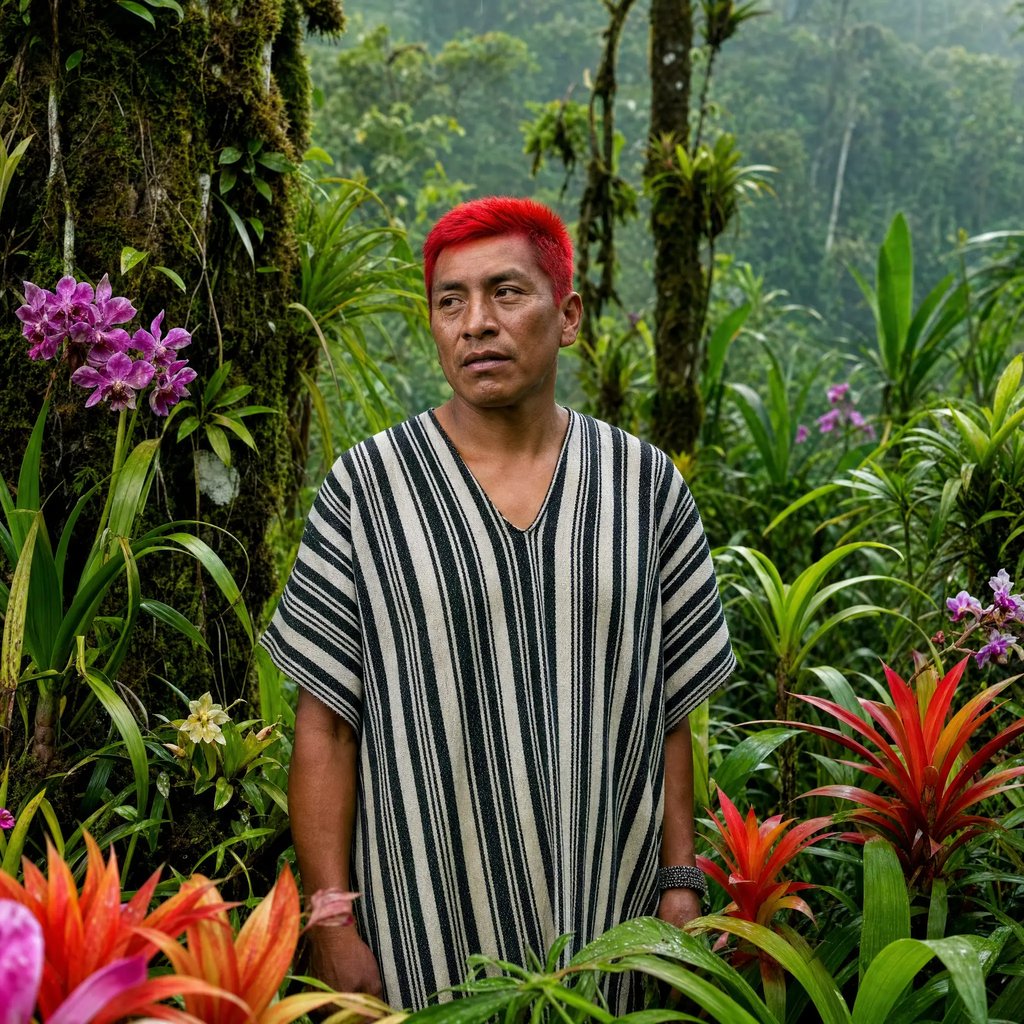
Tsáchila
Tsáchila — 'the true people'
Santo Domingo de los Tsáchilas · Ecuador
The Tsáchila paint their hair red with achiote and hold deep knowledge of the mist forest's plants. Small in number, enormous in what they have kept.
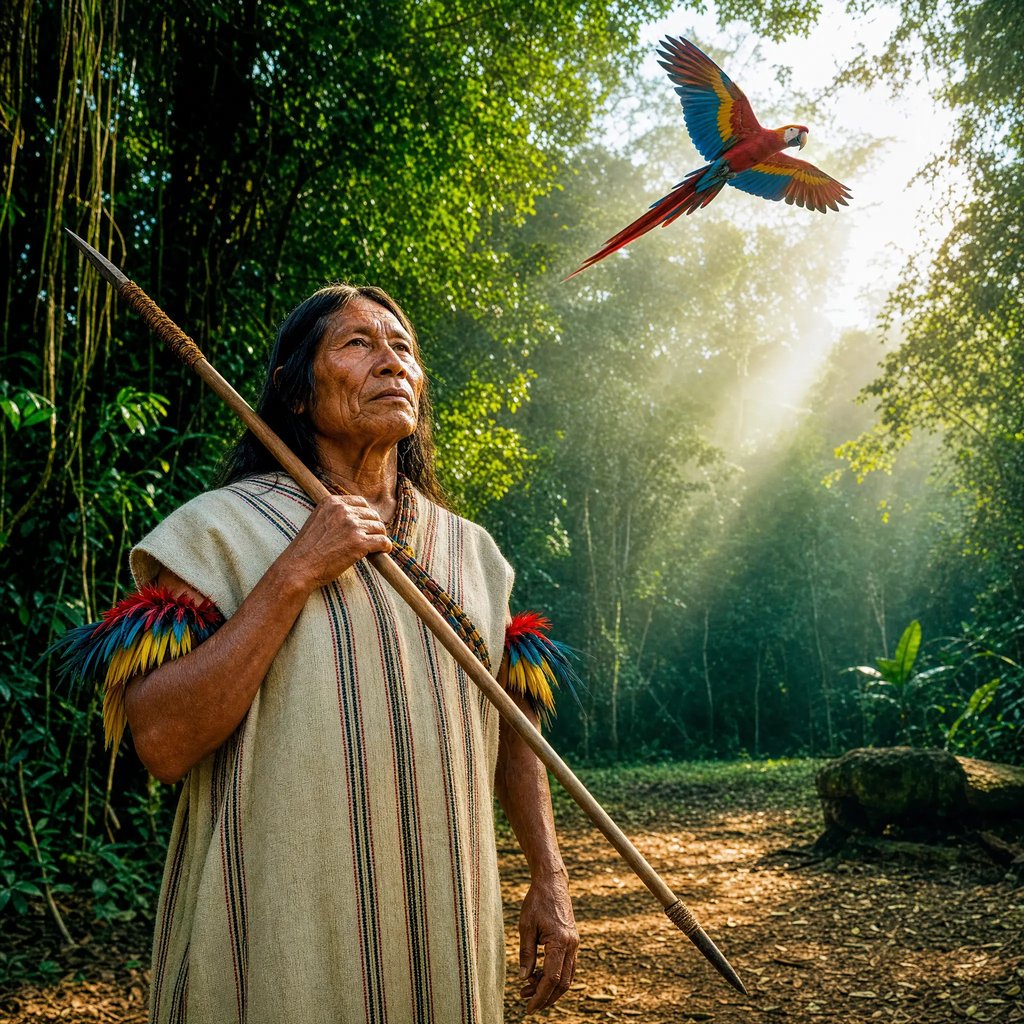
Waorani
Waorani of Yasuní
Napo, Orellana & Pastaza · Ecuador
One of the last peoples to meet the outside world. Their plant knowledge is their own, and — said honestly and respectfully — they do not sell ceremonies to visitors.
Read, then meet
These pages are the beginning. If one of these traditions is calling you, a 20-minute call is free — and we walk the rest of the road with you.
Book a free navigation callEducational and coordination service only. Not medical advice, and not a substitute for a qualified healthcare professional.