Shamans of Ecuador

The green pharmacy of Ecuador

The powerful plants — and the four worlds they grow in

Ecuador holds about ten percent of the world's plant species on two tenths of one percent of the planet's land. The healers' knowledge and the country's wild abundance are the same story. This is a field guide to both.

Read this first

This page is cultural and educational. It describes how plants are woven into ceremony, daily life and healing practice across Ecuador's traditions. It is not medical advice, and no plant here is described as treating or curing any disease. The word 'traditionally' is doing real work throughout: these are inherited, community-held ways of relating to plants.

Legality and availability vary by country. In Ecuador, ancestral plant medicine is recognized and regulated under the Código de Ética de la Medicina Ancestral-Tradicional.

The plant medicines

Twelve plants that carry the most weight in Ecuador's healing traditions — from the vine that teaches, to the leaf that protects.

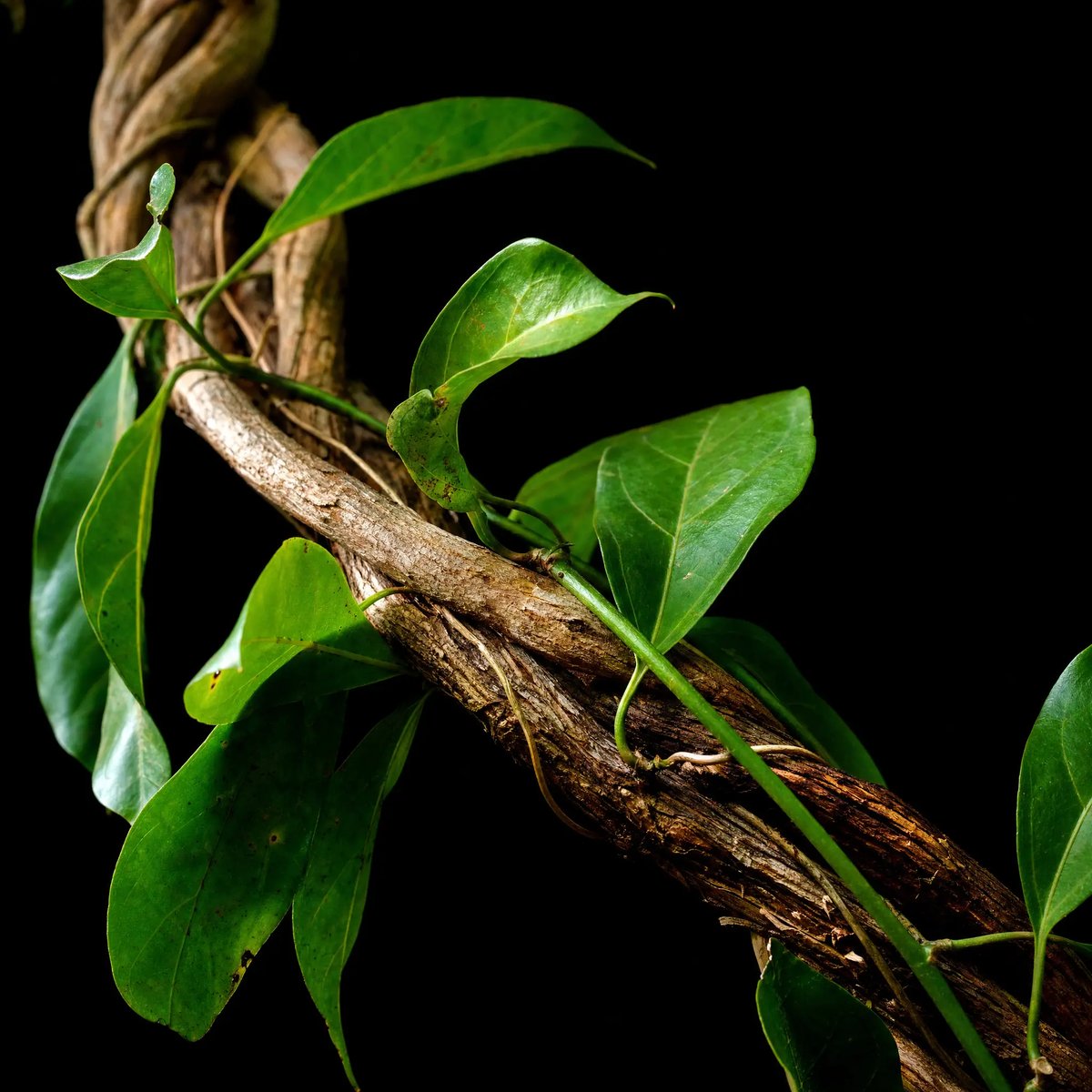
Ayahuasca / Yagé

Ayahuasca / Yagé

Banisteriopsis caapi + chacruna

The vine of the soul

Amazonian — Kichwa, Shuar, Siona, Secoya, Cofán

The master plant of Amazonian medicine: a woody vine cooked with the chacruna leaf into a brew that is central to night ceremonies across the western Amazon. In the Cofán tradition it is yagé — a teacher and a diagnostician, not a drug. Healers describe it as the plant through which many other plants are taught.
San Pedro / Huachuma

San Pedro / Huachuma

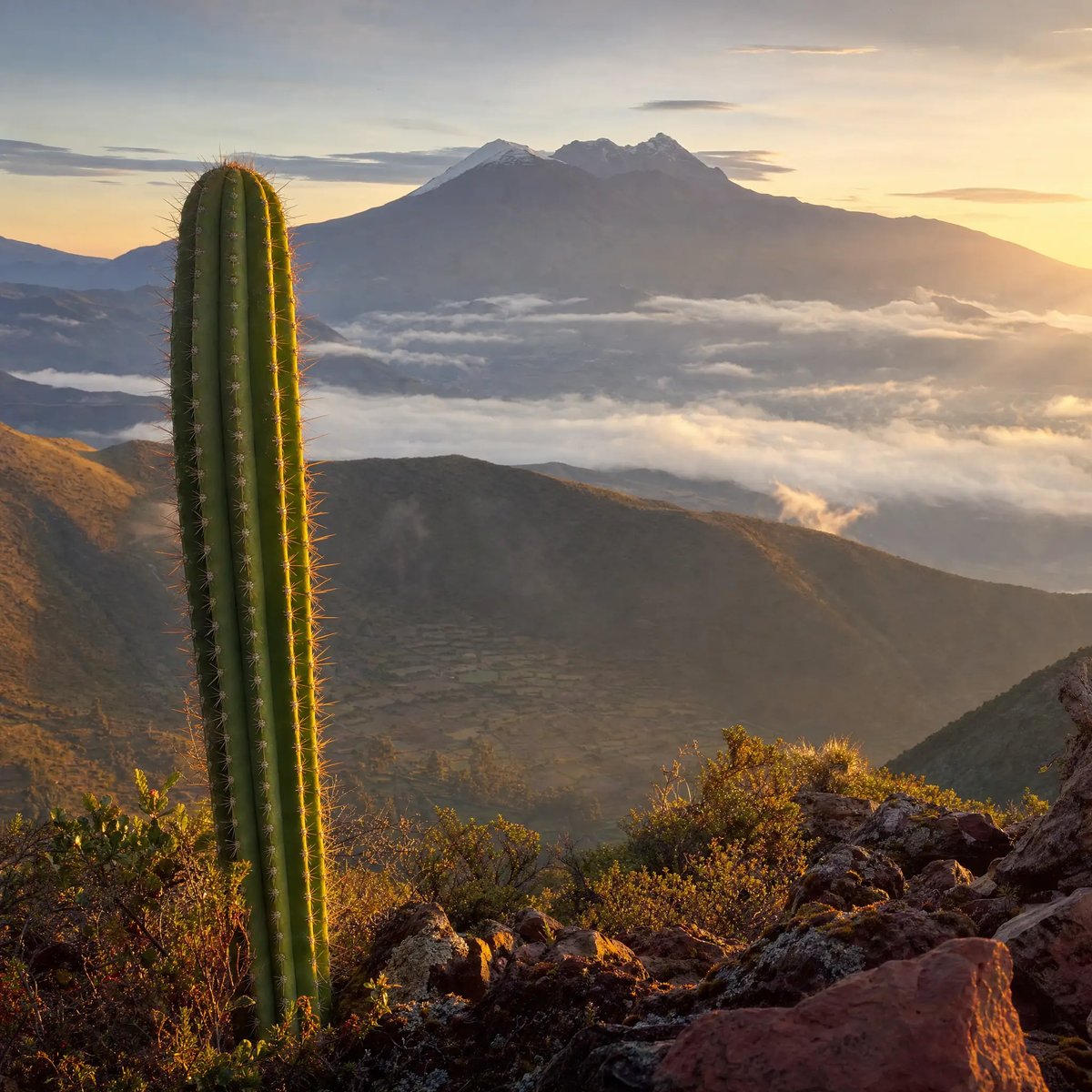
Echinopsis pachanoi

The cactus of the Andes

Andean curanderismo — Ecuador, Peru, Bolivia

The highland counterpart of ayahuasca: a columnar cactus of the northern Andes, prepared as a slow daytime ceremony led by a curandero. Traditionally framed as a heart-opening medicine of clarity and connection to the mountains, the water and the cycles of the land.

Guayusa

Guayusa

Ilex guayusa

The dream-reading leaf

Amazonian Kichwa — Napo and Pastaza

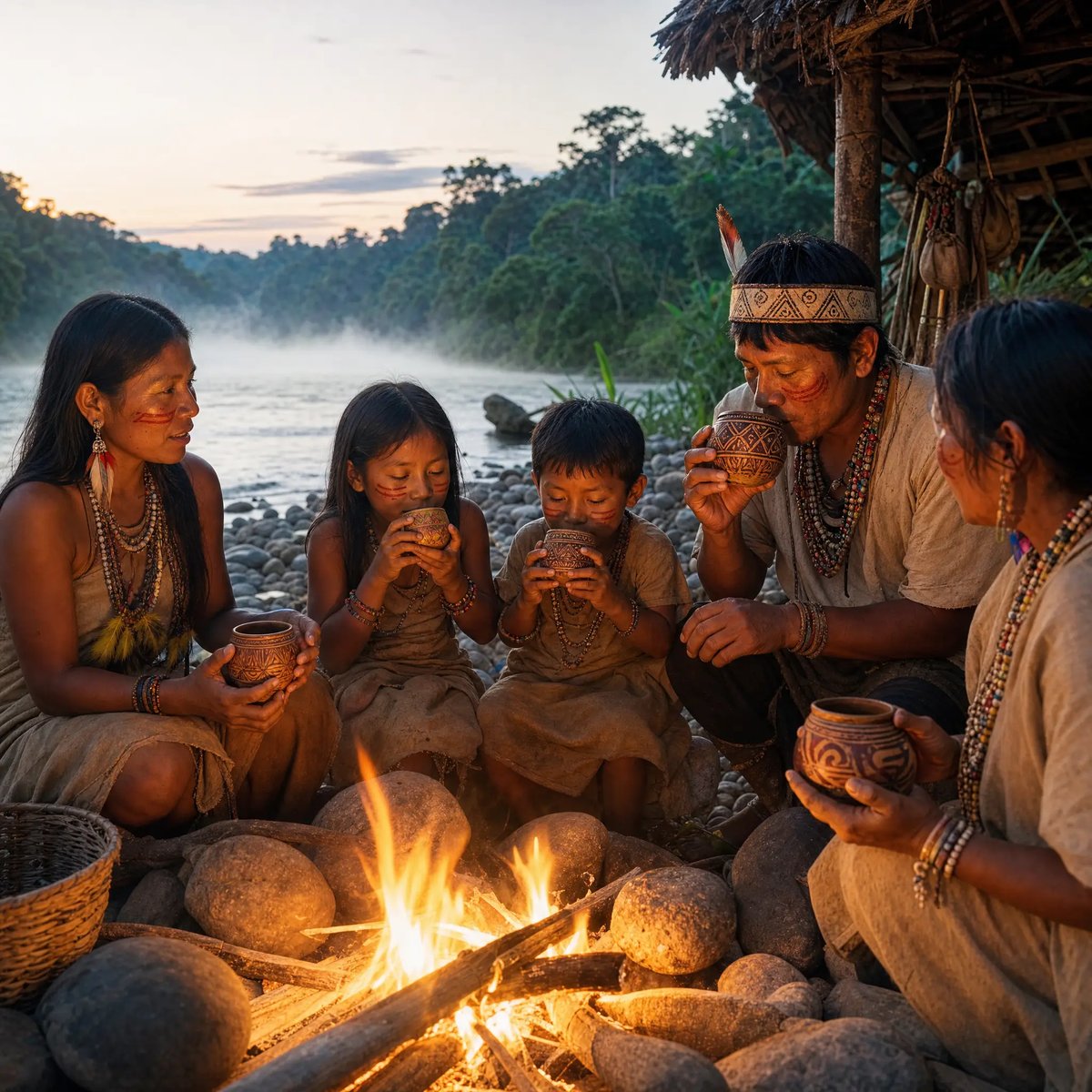
The defining morning drink of the Amazonian Kichwa, brewed before dawn around the fire. The ritual is built around sharing and interpreting the night's dreams, which the elders help read. Increasingly grown by indigenous cooperatives as a crop that protects forest rather than clearing it.

Mapacho

Mapacho

Nicotiana rustica

The protector plant

Amazonian and Andean traditions throughout

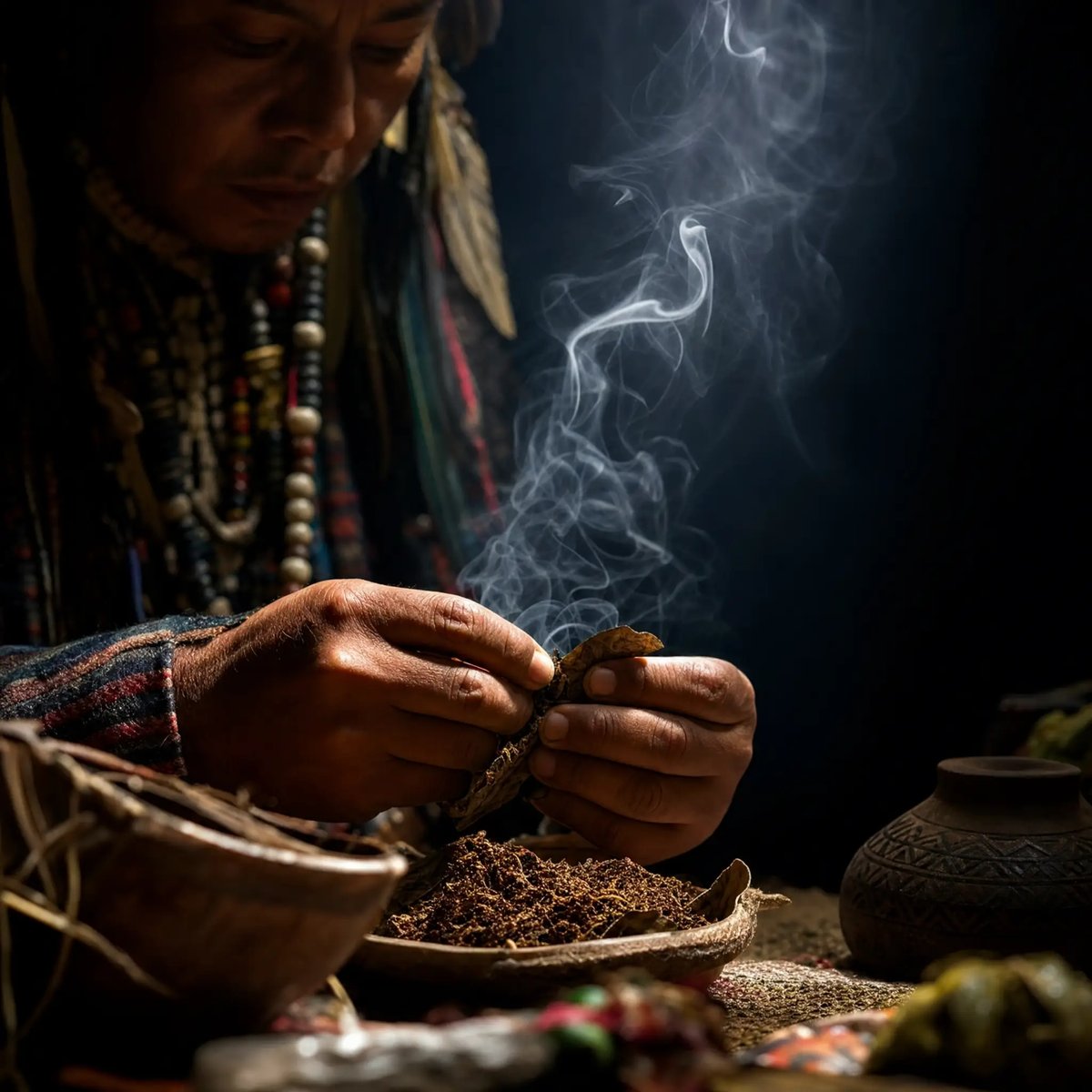
Wild tobacco, far stronger than commercial tobacco, used not for pleasure but as a tool: the healer blows its smoke over a person, an object or a space to cleanse, protect and seal a ceremony. It is offered to the fire and to other plants, and treated with strict ritual discipline.

Coca

Coca

Erythroxylum coca

The sacred leaf

Andean Kichwa and highland culture broadly

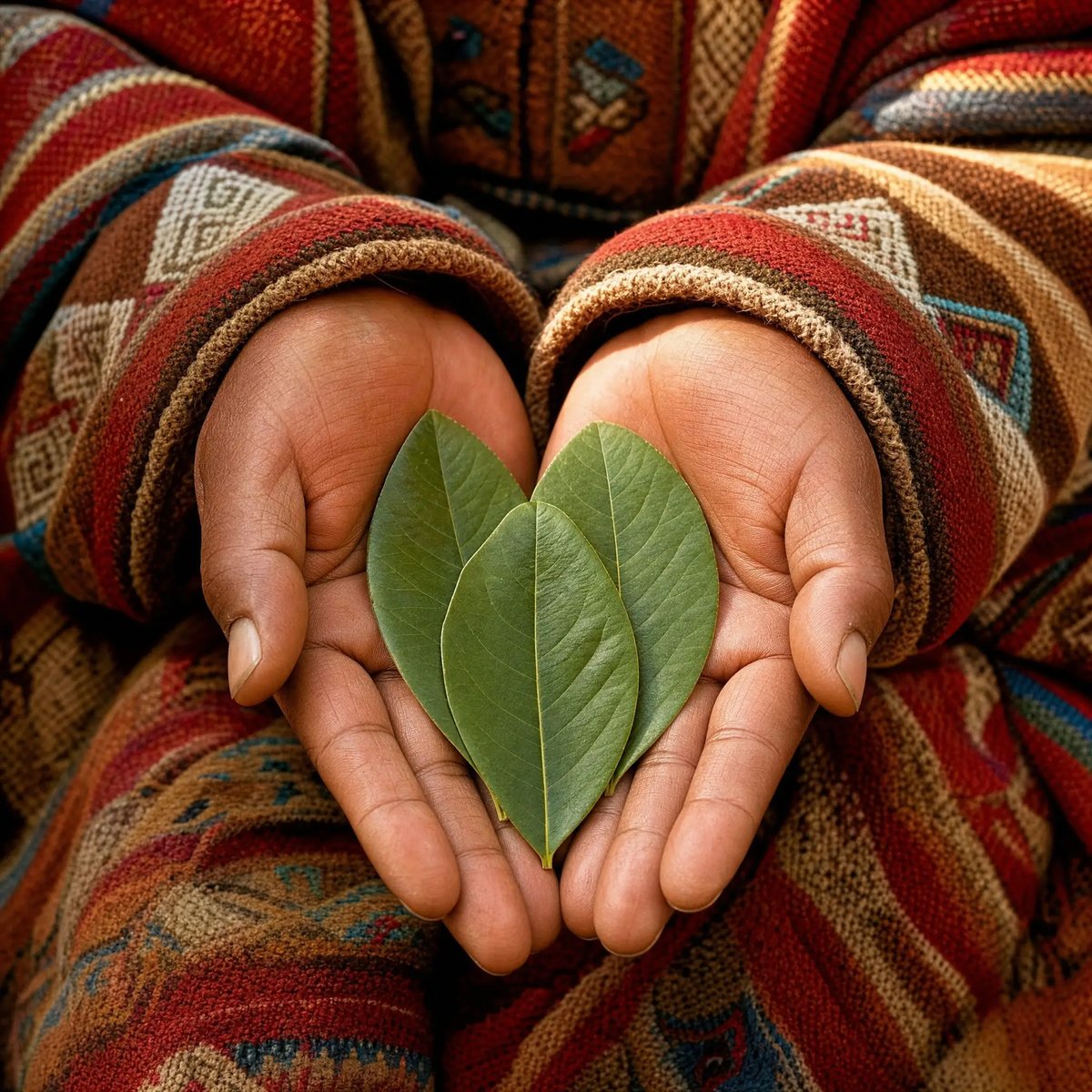
The small shrub whose leaf has been chewed in the Andes for millennia — exchanged as greeting, offered to Pachamama, arranged in k'intu of three perfect leaves as prayer. The traditional leaf is a social and spiritual currency entirely distinct from the refined drug, and is recognized internationally as ancestral Andean heritage.

Sangre de Drago

Sangre de Drago

Croton lechleri

The tree that bleeds

Amazonian — Kichwa, Shuar and others

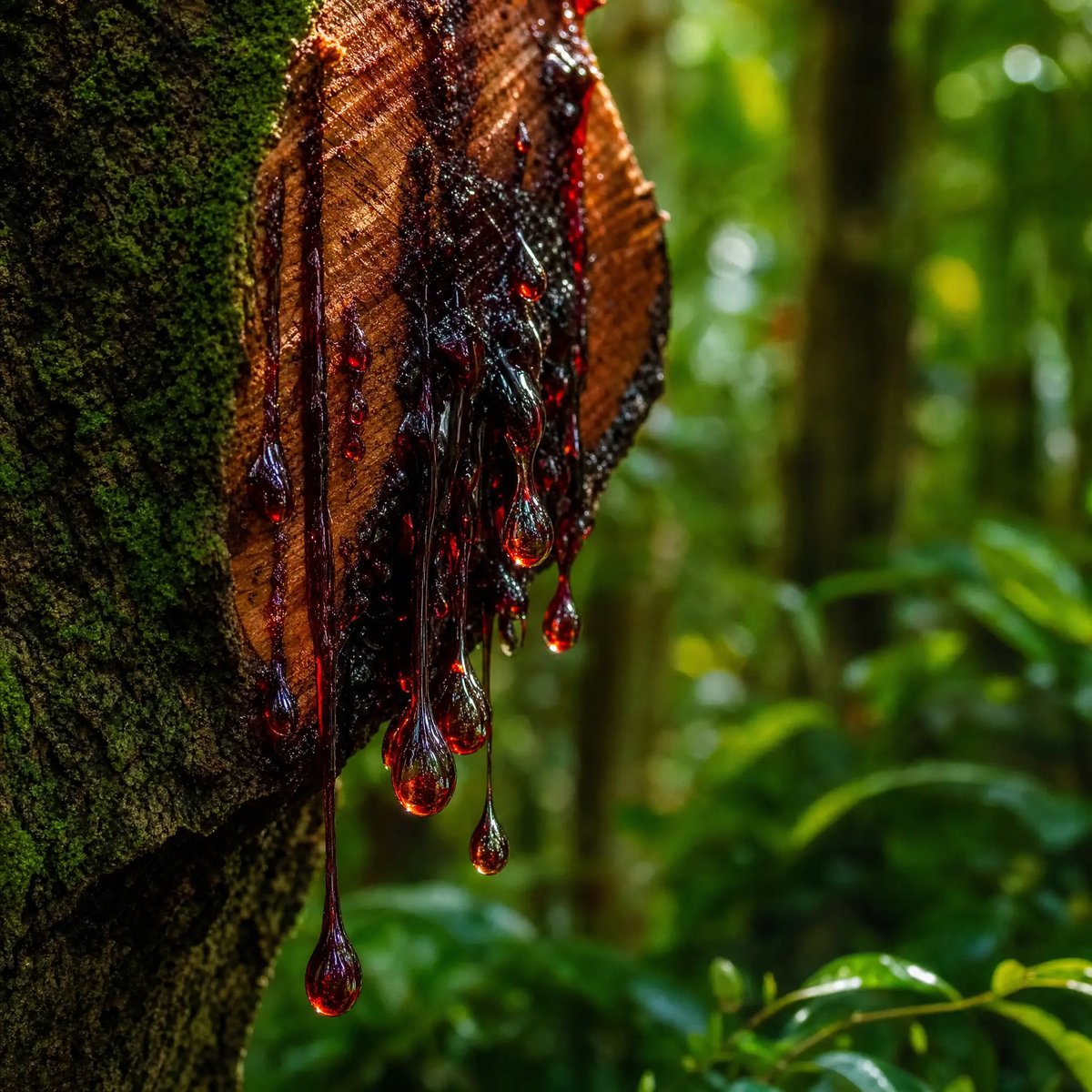
A tree whose cut bark bleeds a deep red latex, dragon's blood. One of the most-used first-aid plants of the western Amazon: applied to the skin or taken in small amounts, it is an everyday working medicine that sits alongside the spiritual work of the ceremonial plants.

Uña de Gato

Uña de Gato

Uncaria tomentosa

The cat's claw vine

Amazonian peoples, now known worldwide

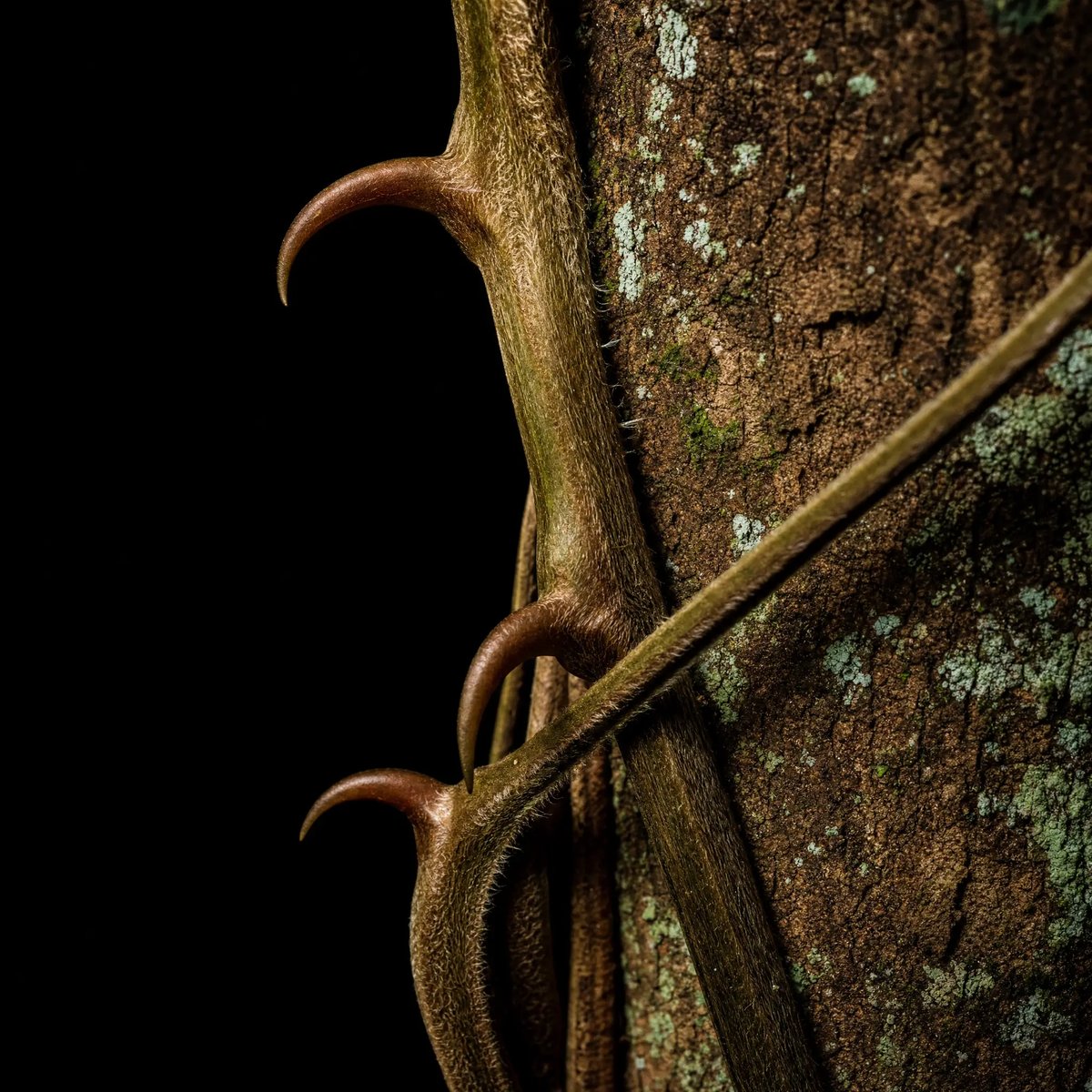
A climbing vine whose thorns curve like a cat's claw. Traditionally a body medicine — a household staple brewed as tea to support general well-being, resilience and recovery — and one of the Amazonian plants that modern research has studied most.

Kambo

Phyllomedusa bicolor — a frog, not a plant

The frog's medicine

Upper Amazon peoples — Katukina, Yawanawá, Matsés

A secretion of the giant monkey frog, listed here because it belongs to the same medicine world as the plants. An intense, brief purging practice used traditionally as a hunting aid and a hardening rite — and it carries real risks, so it is approached with serious caution and experienced guidance.

Chuchuhuasi

Maytenus krukovii

The warming bark

Western Amazon — Ecuador and Peru

A great rainforest tree whose bark is macerated in cane spirit or boiled as tea. Traditionally a tonic for the joints and the bones, and considered a 'warming' plant in Amazonian energetics — the familiar after-work remedy of the forest.

Ajo Sacha

Mansoa alliacea

The wild garlic vine

Amazonian households throughout

A jungle vine whose crushed leaves smell strongly of garlic — used in food, in baths and in cleansing smudges. Traditionally a protective plant, common in the everyday ritual of clearing a house or a body.

Chiric Sanango

Brunfelsia grandiflora

The dieta teacher

Mestizo vegetalismo and western Amazon lineages

A shrub of the western Amazon whose root is one of the classic teacher plants of the dieta. Dieted under restriction, not taken casually — traditionally a plant for hardening the body, taken alongside the longer work with ayahuasca.

Bobinsana

Calliandra angustifolia

The heart-opening flower

Amazonian river communities

A riverside shrub with feathery pink flowers, brewed as tea. A gentle plant, traditionally dieted for emotional work, softening and dreaming — valued in the tradition as much for its beauty as its use.

The four worlds they grow in

Ecuador is one of the most biodiverse countries on Earth — about 10% of the world's plant species on 0.2% of its land, 25,000+ plant species, more than 1,600 bird species. That abundance comes from vertical geography: within a few hours you can descend from a snow-capped volcano through cloud forest into steamy lowland rainforest.

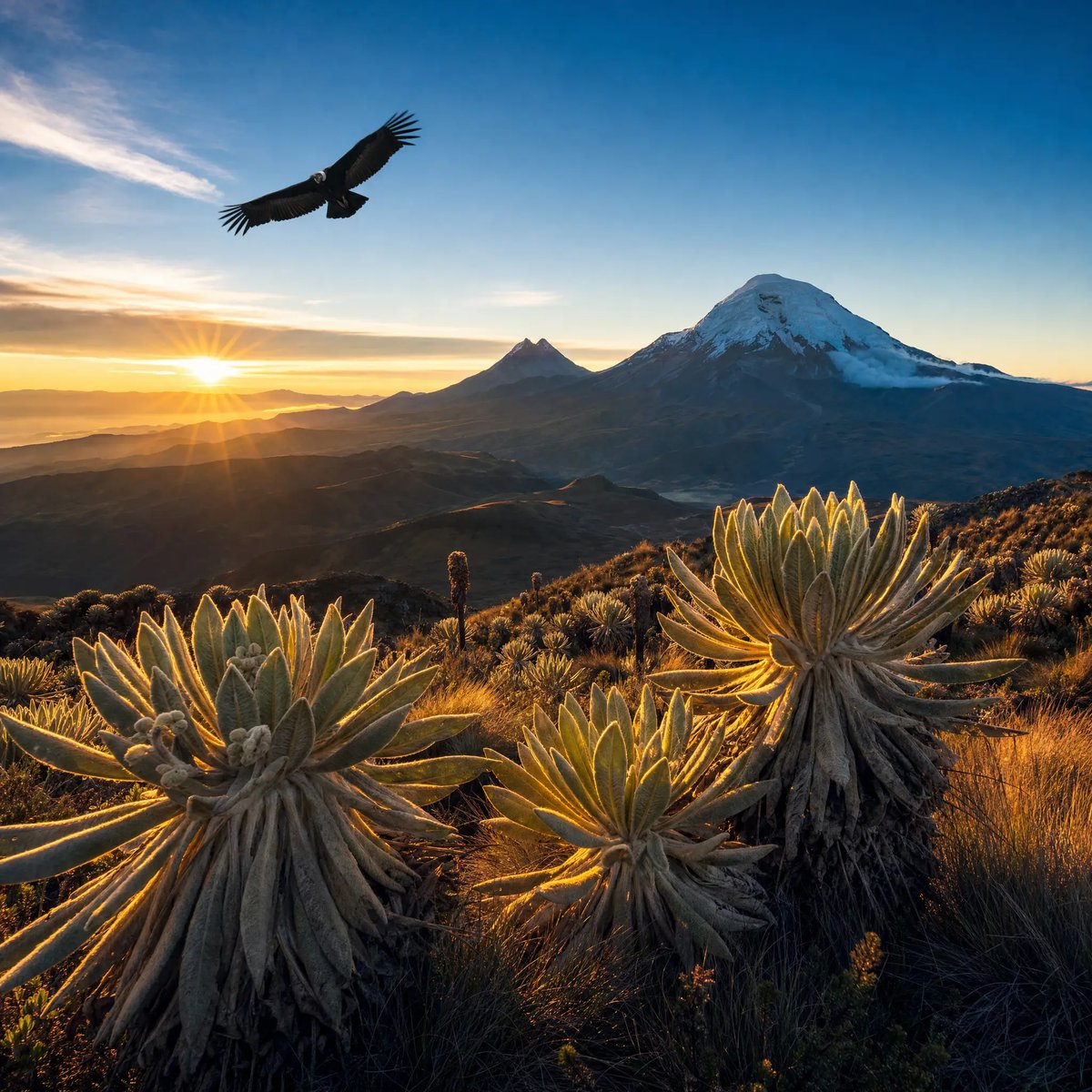
The Andes — volcanoes and páramo

The Andes — volcanoes and páramo

The Avenue of the Volcanoes runs down the country's spine: Cotopaxi among the world's highest active volcanoes, Chimborazo whose summit is the farthest point from the Earth's center. Between the peaks lies the páramo, a sponge-like high grassland found almost nowhere else, which captures water and feeds the rivers and cities below. This is the homeland of the highland Kichwa — the domain of coca and San Pedro.

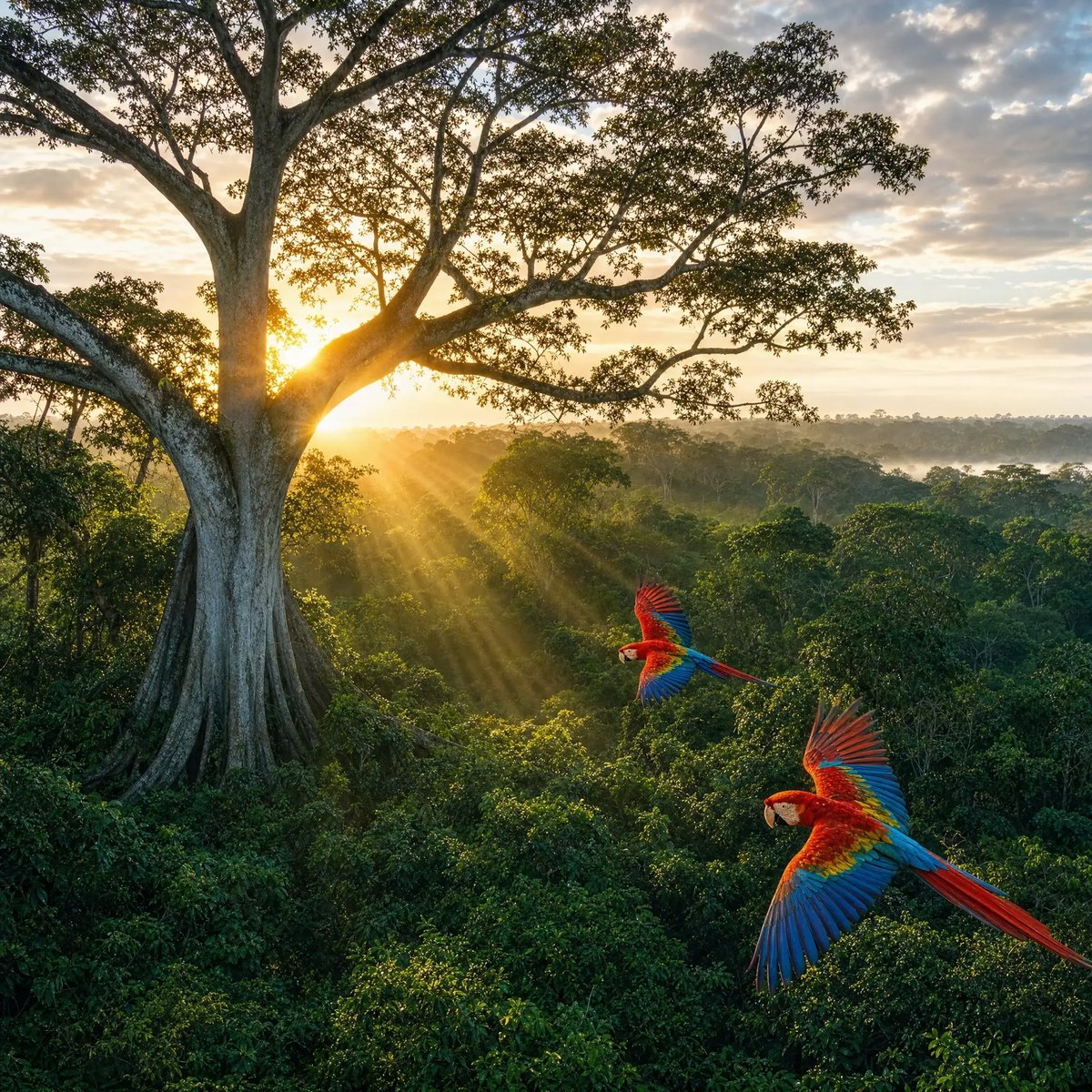
The Amazon — Yasuní, the richest hectare on Earth

The Amazon — Yasuní, the richest hectare on Earth

Yasuní National Park holds a world-record 655 tree species in a single hectare — more tree species than the United States and Canada combined — plus around 596 bird species, some 150 amphibian species, 458 fish species and on the order of 100,000 insect species per hectare. It is also home to the Huaorani, the Kichwa, and two peoples living in voluntary isolation. The biodiversity and the cultural knowledge are inseparable.

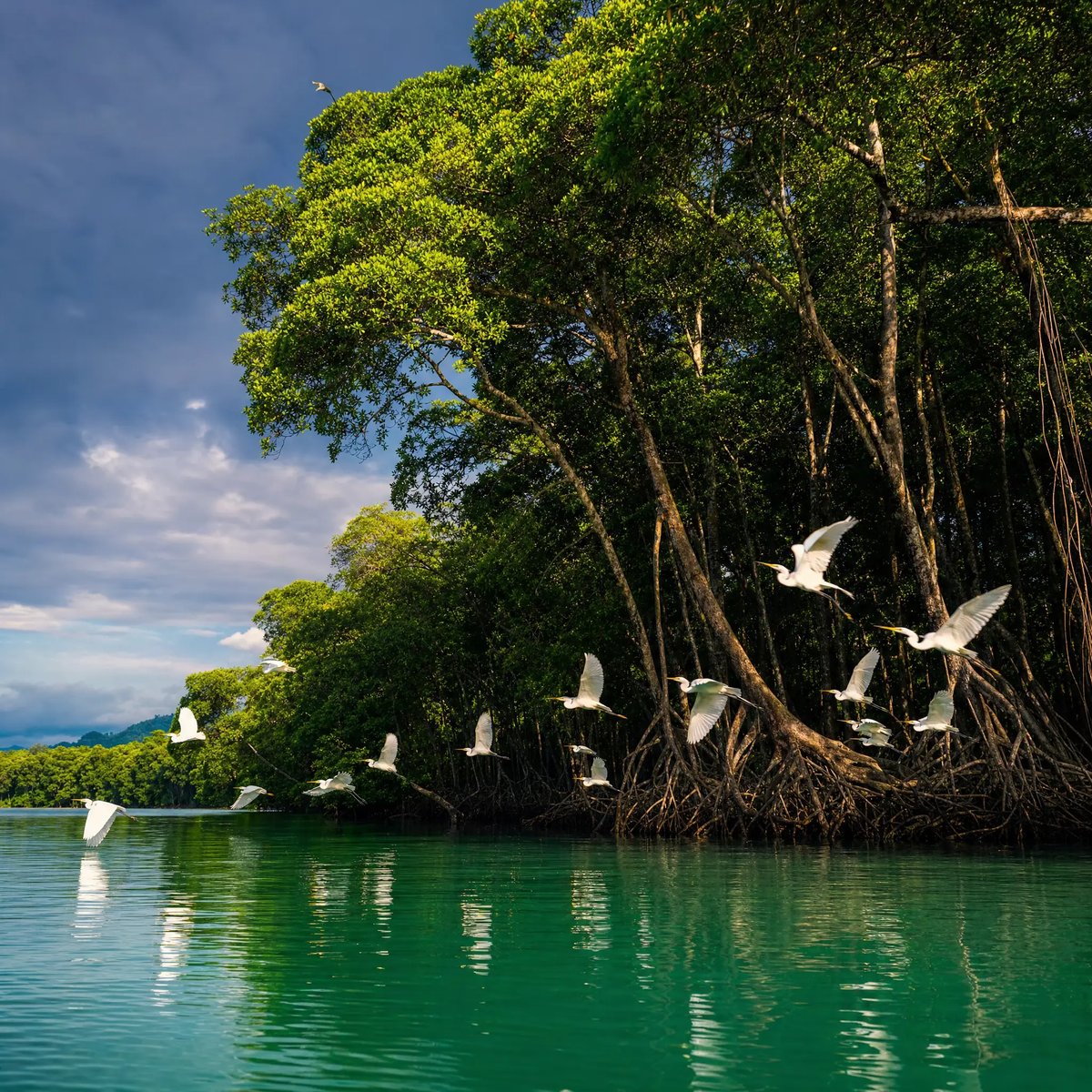
The Pacific coast and mangroves

The Pacific coast and mangroves

Ecuador's coast holds the tallest mangrove forests in the Americas — 150,000+ hectares of nurseries for fish and crab, and storm buffers for the coast. The shore feeds into the Tumbes–Chocó–Magdalena hotspot, one of the most species-rich and most threatened regions in the world, and it is the stepping-off point for the Galápagos.

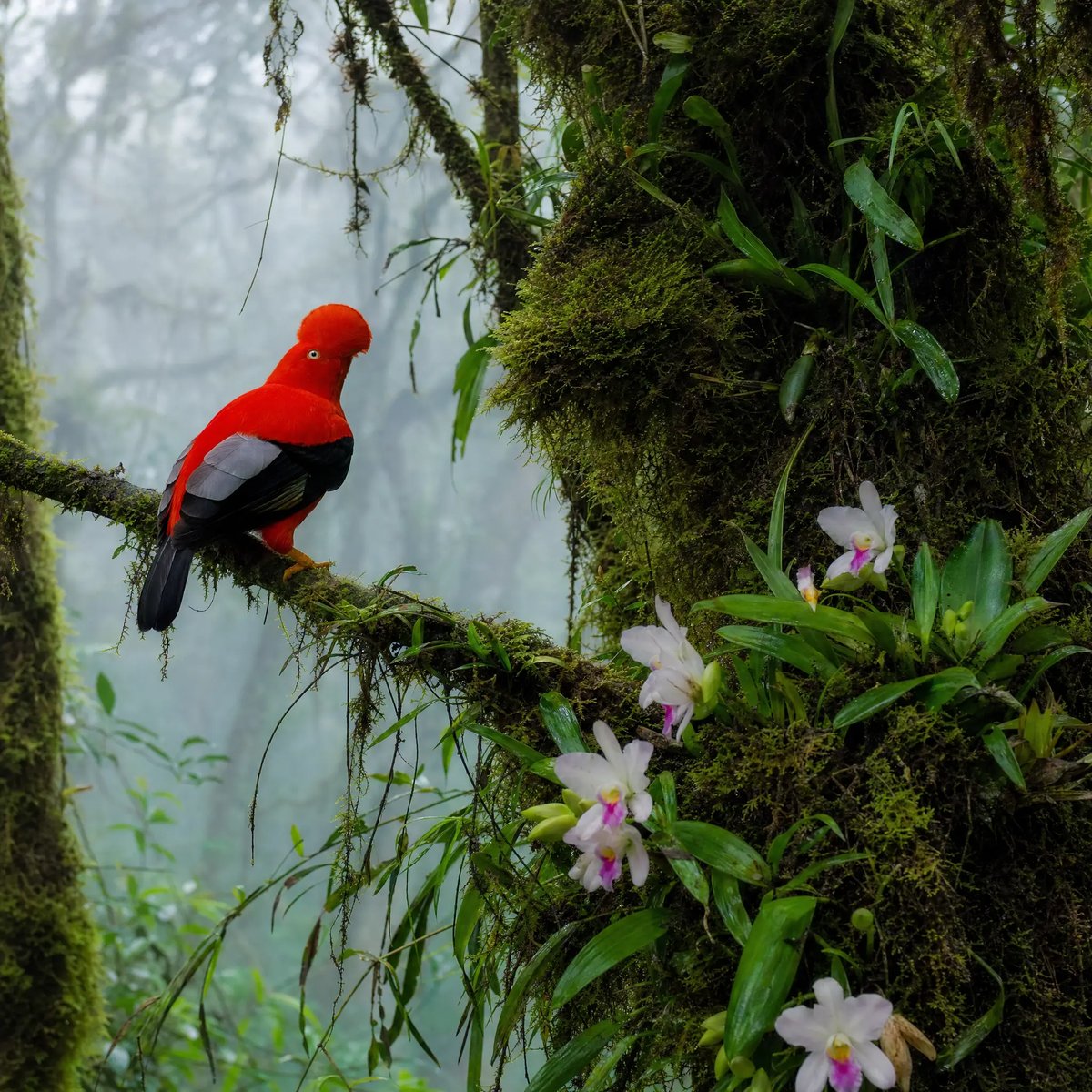
The cloud forest — Mindo and the Chocó

The cloud forest — Mindo and the Chocó

Where warm Pacific air meets the Andes, it condenses into permanent mist. The cloud forest around Mindo is one of the most bird-dense habitats on Earth — dozens of hummingbird species in a single garden, toucans, tanagers, the Andean cock-of-the-rock — and orchid country: Ecuador holds more orchid species than almost anywhere on Earth, thousands of them found nowhere else.

Why Ecuador matters to the whole planet

Ecuador's importance is not just its species counts but their density and uniqueness. A very large fraction of its life is endemic — found here and nowhere else — and it clusters in the fragile transition zones: the páramo, the cloud forest, the Chocó. What happens to Ecuador's forests is a signal for biodiversity worldwide. And the reason Ecuador is so diverse is inseparable from the human story: indigenous and rural communities have stewarded these landscapes and their plants for millennia. The shamans' pharmacopoeia is not separate from the biodiversity story. It is the biodiversity story, told through plants, ceremony and a long relationship with the land.

Meet the plants in person

Reading about guayusa is not the same as drinking it at dawn in Napo. If you want to meet this world, start with a free 20-minute call — we will tell you honestly what is possible and what is right for you.

Book a free navigation call

Educational and coordination service only. Not medical advice, and not a substitute for a qualified healthcare professional.