The global shamanic library
Shamanism is older than every country that contains it
From the Evenki forests where the very word 'shaman' was born, to the Lakota plains, the Maya highlands, the Bön mountains and the Kalahari's trance dances — the same knowing appears in every corner of the human world: there are worlds besides this one, and some people are called to walk between them. This is their story, told as an act of honoring.
How to read this library
Every entry tells the same four things: the history of the people, their belief system from its roots, the work and achievements of their healers, and where they stand today. The voice is honoring because that is the truth of it: for the people who live these traditions, they are not stories. They are the way the world actually is.
An honest note on secrecy
Some of what these traditions hold is closed — taught only inside the community, and not written anywhere. This library names what is public, says plainly when a practice is not shared, and never invents ceremony details to fill a gap. The silence is part of the tradition, and it is honored here.
The old map, in the modern world
Modern Shamanism
What does any of this ask of a person living today — with a job, a family, a mortgage? Not escape. Responsibility. The old traditions were never about handing your life to a guru; they were technologies of attention, relationship and becoming. This page is about the geometries the ancients saw under everything, and what they demand of a man, a father, a spirit still learning.
 Read Modern Shamanism
The fifth voice — the man who drew the light
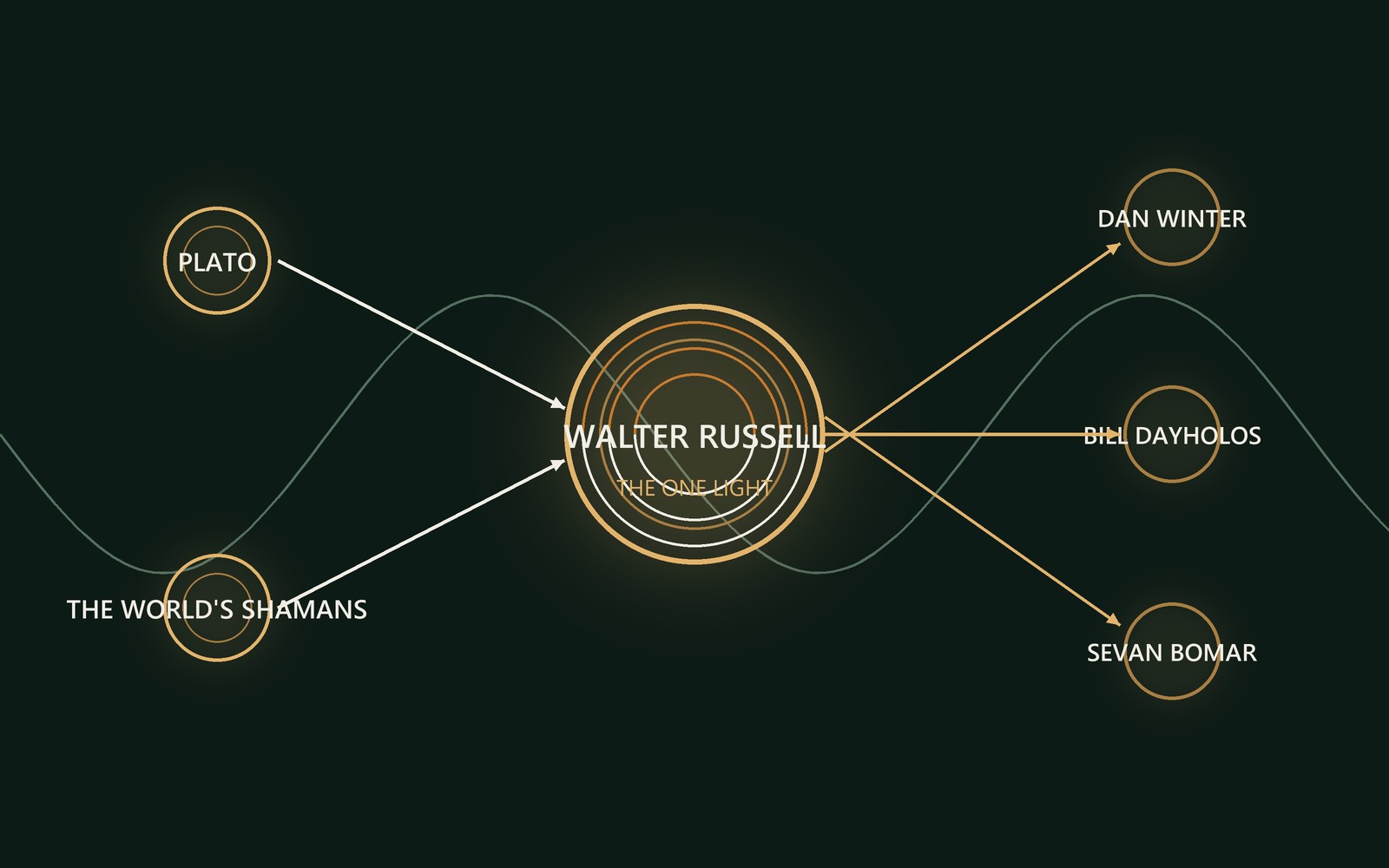
Walter Russell
The sculptor who said the universe opened itself to him in thirty-nine days of light — and spent fifty years drawing the wave, the spiral, and the breathing cube. One substance, one motion, one law: rhythmic balanced interchange. His geometry joins Plato's solids to Winter, Dayholos and Bomar — the development, drawn.
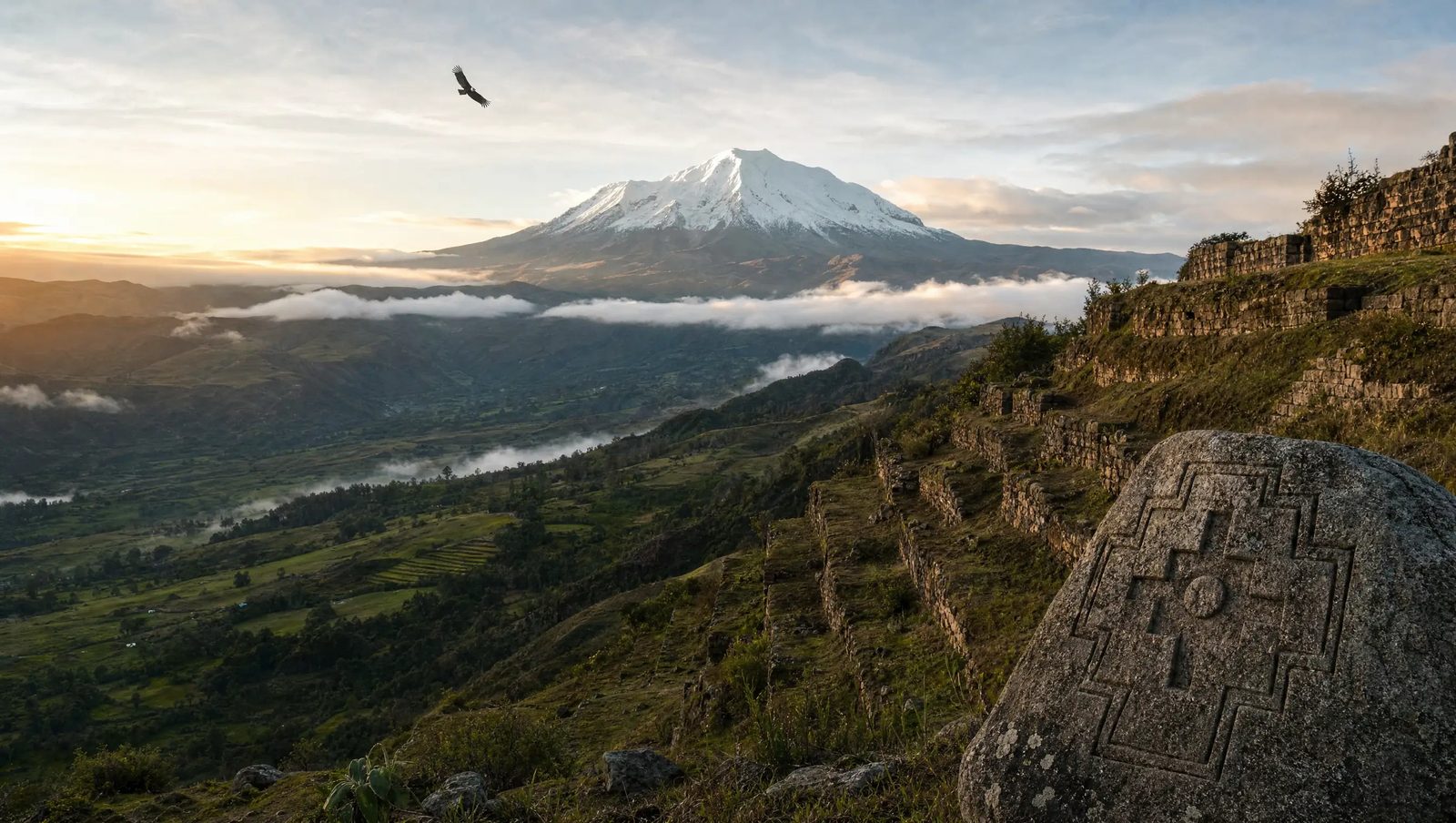
Andes & Amazon neighbours
The three worlds of the Andes, the Kogi mamos, the yagé taitas of Sibundoy, the Shipibo, Q'ero and Kallawaya, and the machi of the Mapuche in Chile — the traditions closest to Ecuador's own.
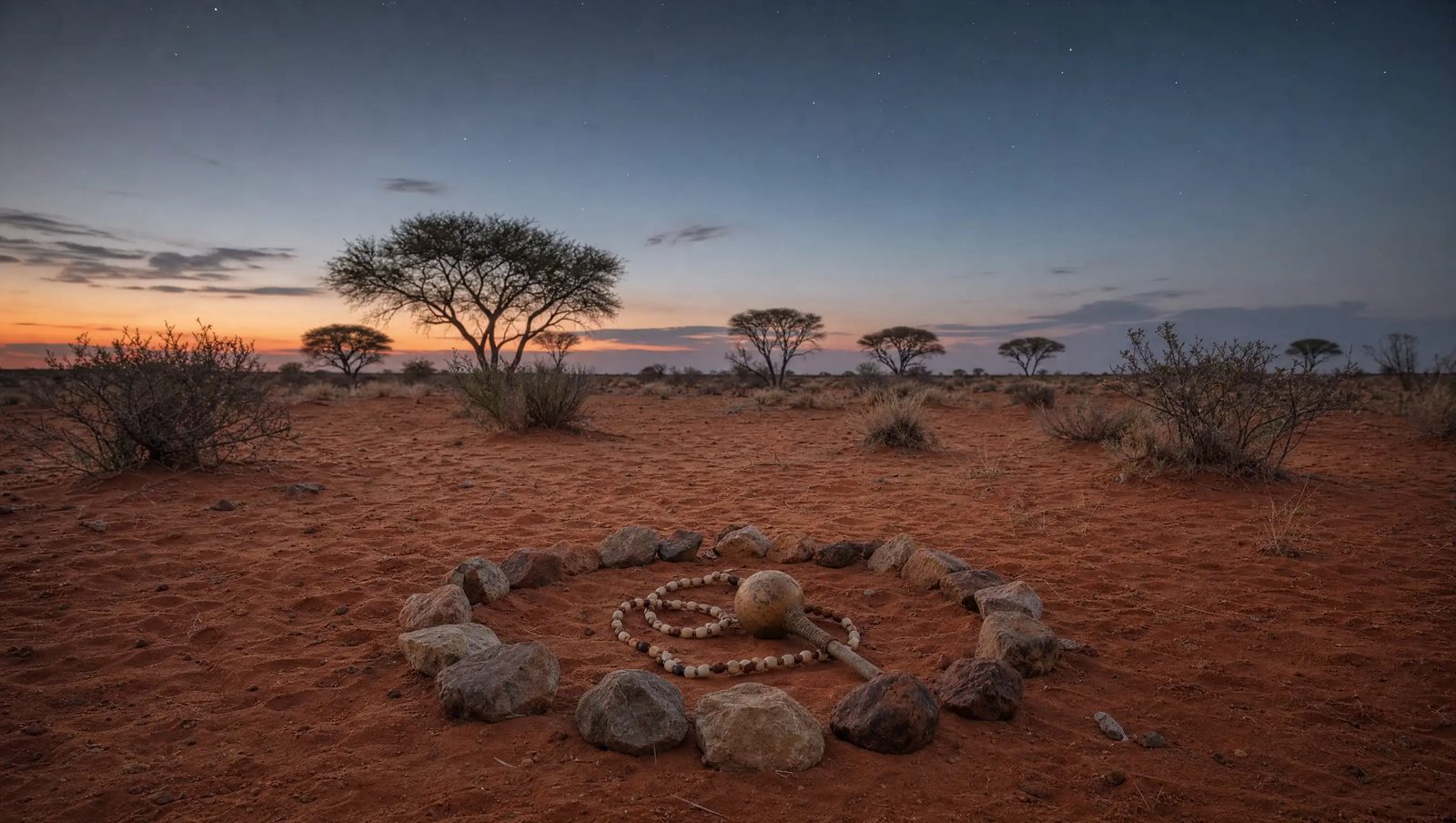
Africa
The San trance dance — possibly the oldest continuous spiritual tradition on Earth — the Zulu sangoma, the Yoruba Ifá, the Dogon and the zar healers.
From the library to the living
Reading about the world's shamans is the beginning. If Ecuador's own traditions are calling you, a 20-minute call is free — and we walk the road with you.
Book a free navigation callEducational and cultural library. Not medical advice, and not a substitute for a qualified healthcare professional.