Shamans of Ecuador

Yasuní · the deep forest people

The Waorani

One of the last Amazonian peoples to meet the outside world keeps its own deep knowledge of the forest — and, honestly, it does not sell ceremonies to visitors.

The Waorani

The people of Yasuní

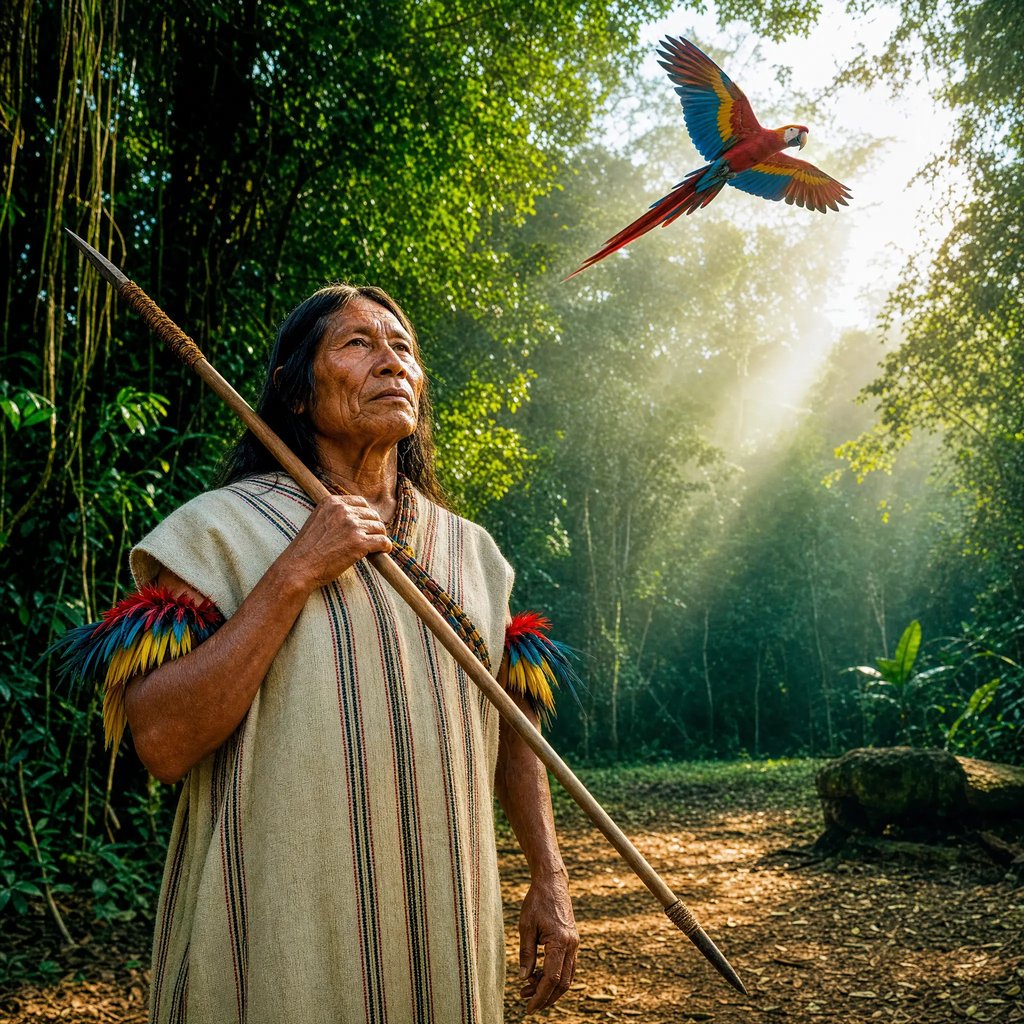
The Waorani — also written Huaorani — live in the central Amazon of Ecuador: Napo, Orellana and Pastaza, including much of Yasuní National Park, arguably the most biodiverse place on Earth. They were among the last Amazonian peoples to have sustained contact with the outside world, mostly in the mid-20th century, and their culture developed in relative isolation from the market and missionary economy that reshaped other indigenous healing traditions.

Deep knowledge, no market

The Waorani have their own sophisticated plant knowledge and their own ways of understanding and responding to illness and misfortune. What they do not have — and this is said plainly because it matters — is a public shamanic market of healers who receive outsiders, the way some Kichwa, Shuar or Siona–Secoya communities do. Visitors should not expect to find commercialized Waorani shamans, and a respectful site should not invent or promote such a thing.

Honesty over spectacle

This page exists to say the true thing: some traditions are not for sale, and the correct response to that is respect, not marketing. The Waorani guard a forest that holds a world-record share of life on Earth. Their knowledge is part of that forest. The honest introduction is also the safest one.

The knowledge of the deep forest

  • ◆A plant knowledge developed in one of the most biodiverse places on Earth
  • ◆The everyday forest craft of a people who lived in isolation until recently
  • ◆Yasuní itself — the living context of everything the Waorani know

How the knowledge is kept

By living it, inside the forest, across generations — the way peoples keep knowledge when they have never had a reason to write it down for outsiders.

Approach the deep forest with respect

If Yasuní calls you, there are honest ways to visit — with the right introduction. Start with a free 20-minute call and we will tell you what those ways are.

Book a free navigation call

Educational and coordination service only. Not medical advice, and not a substitute for a qualified healthcare professional.